
29 October 2026
The National Committee to Combat Human Trafficking(NCCHT) has opened an awareness office in the arrivals area of Muscat International Airport to inform workers arriving in Oman of their rights and facilitate their access to the relevant authorities when needed.
The office forms part of the NCCHT’s efforts to raise awareness of workers’ rights in Oman, strengthen measures to prevent human trafficking offences, and to provide direct guidance to incoming workers.
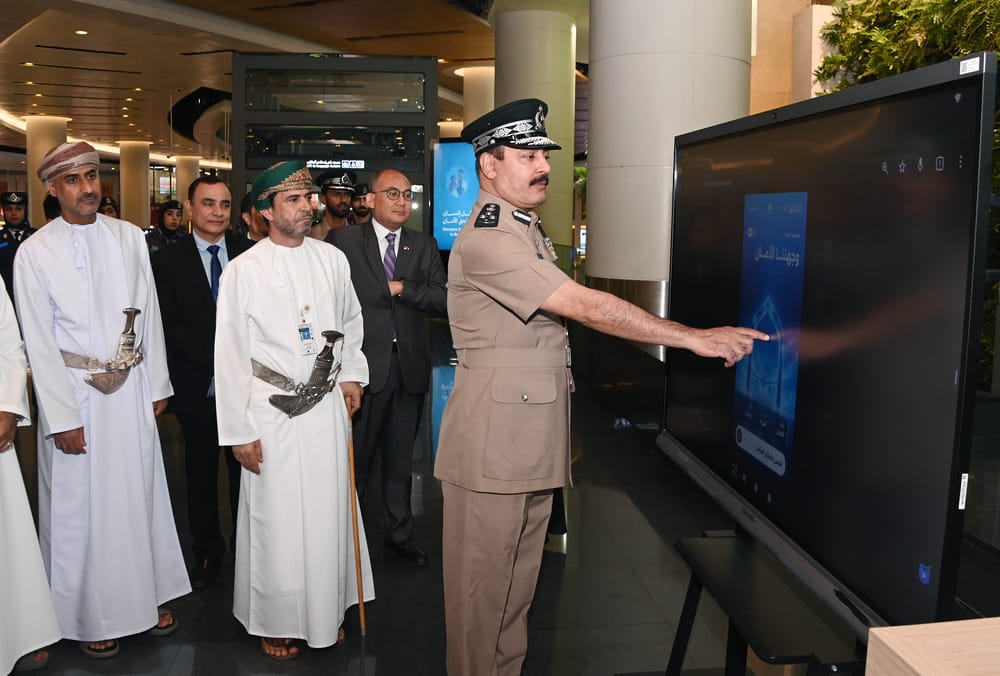
The project will be implemented in two phases. The first involves installing a digital screen dedicated to the NCCHT’s website, which is available in 13 languages. The screen will display publications and awareness materials on workers’ rights in Oman, as well as contact numbers for the embassies of various countries and the Committee’s hotline. This will enable workers to obtain useful information.
The second phase will involve assigning an employee from the Ministry of Labour to communicate directly with incoming workers and verify certain basic details concerning their employment in Oman, including the employer’s name and the agreed salary. The employee will also inform workers of their rights and raise their awareness of employment conditions.
Brigadier General Jamal bin Habib Al Quraishi, Director General of Criminal Investigation and Research and Deputy Chairman of the National Committee to Combat Human Trafficking, said the opening of the office marks a significant step in raising awareness and coordinating national efforts to combat human trafficking, protect human rights and safeguard human dignity.
Jasim bin Hamoud Al Maliki, Director General of the General Federation of Oman Workers and a member of the NCCHT, said that the opening of the office reflects an important development in the concept of worker protection.
Genuine protection, he explained, does not begin when a violation occurs. It begins when workers receive accurate information about their rights and learn how to safely approach the relevant authorities. The initiative therefore represents an investment in prevention from the moment workers arrive in Oman.
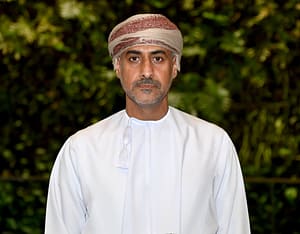
He explained that the office’s added value lies in giving workers access to information from a reliable official source rather than relying solely on their employers or recruitment agents. It also shifts awareness efforts from a later stage of employment to the arrival stage. This enables workers to learn about their rights and obligations in a language they understand, receive adequate guidance and obtain detailed information on the regulation of employment relationships and the procedures for reporting exploitation or human trafficking.
He added that locating the office at Muscat International Airport strengthens integration between government entities and institutions involved in protecting workers and other individuals. It provides these entities with an opportunity to display awareness and educational materials, share contact details and explain their respective roles through the office. Its opening also demonstrates that combating human trafficking is not limited to intervention after a violation occurs. It begins with awareness, prevention and facilitating access to protection.
Regarding the office’s contribution to raising incoming workers’ awareness of their rights and obligations and protecting them against exploitation and human trafficking, Al Maliki explained that the office provides clear and straightforward information in workers’ own languages. This covers their fundamental rights and legal obligations, helping them understand the nature of the employment relationship and distinguish between lawful practices and those that may constitute exploitation.
He noted that key topics include fundamental labour rights, the right to receive the agreed salary, the terms of employment contracts, working hours and rest periods, complaint procedures and awareness of the risks associated with passport confiscation, coercion, threats and deception regarding the nature or terms of employment.
He said this awareness was particularly important because some workers arrive without sufficient knowledge of the legislation and procedures in force in Oman. Equipping workers with this knowledge from the moment they arrive provides an initial safeguard, helps them identify signs of exploitation at an early stage and enables them to seek assistance before the situation escalates.
He pointed out that the office’s main value lies in making information and guidance directly and easily accessible to workers.
Regarding the availability of materials in 13 languages, Al Maliki said this was a fundamental factor in the initiative’s success. Language barriers are among the main challenges that may prevent workers from understanding their rights or seeking assistance. Providing information in multiple languages does more than broaden its reach. It improves workers’ understanding of awareness messages, reduces the risk of misinformation and misunderstanding and helps reach workers of different nationalities and cultural and educational backgrounds. The Committee selected the languages based on the nationalities most commonly recruited to work in Oman.
Al Maliki also said that combating human trafficking requires an integrated approach and cooperation among the relevant entities in accordance with their respective mandates. The National Committee to Combat Human Trafficking plays a central role in coordinating national efforts, developing national policies and plans to combat this crime and monitoring their implementation.
He explained that the General Federation of Oman Workers plays a key role in handling labour complaints and disputes and monitoring compliance with legislation governing employment relationships. It also undertakes important awareness activities through labour unions in private sector establishments and coordinates with trade union federations in countries that send foreign workers, exchanging information and cooperating with them to combat human trafficking.
He noted that the embassies and diplomatic missions of countries that send foreign workers also contribute by raising awareness among their nationals, providing consular assistance within their respective mandates and coordinating with the competent Omani authorities when necessary.
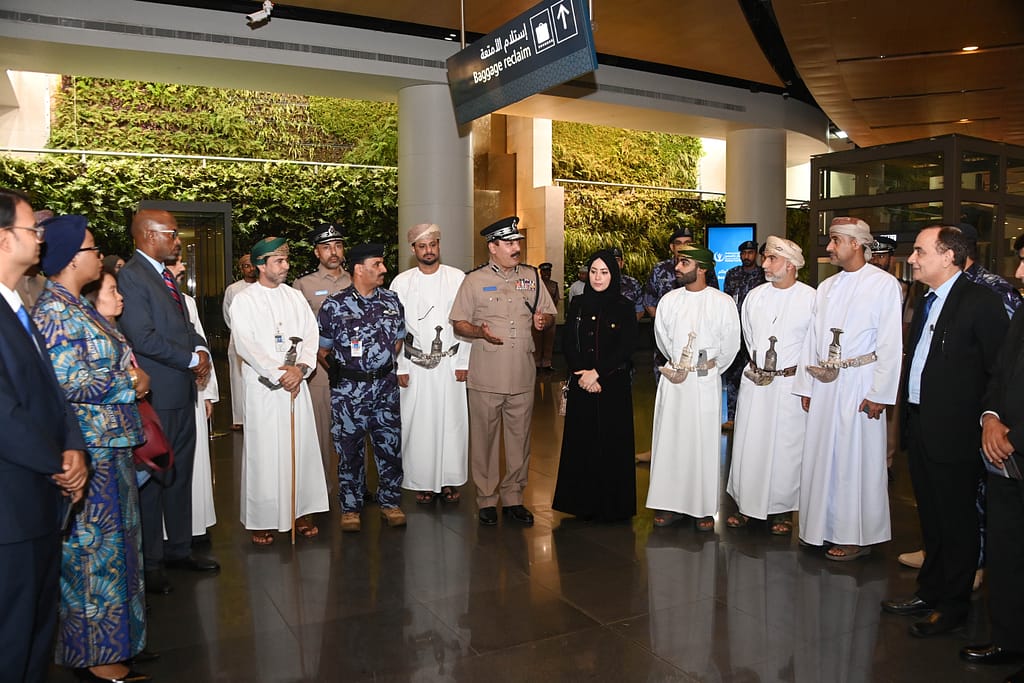
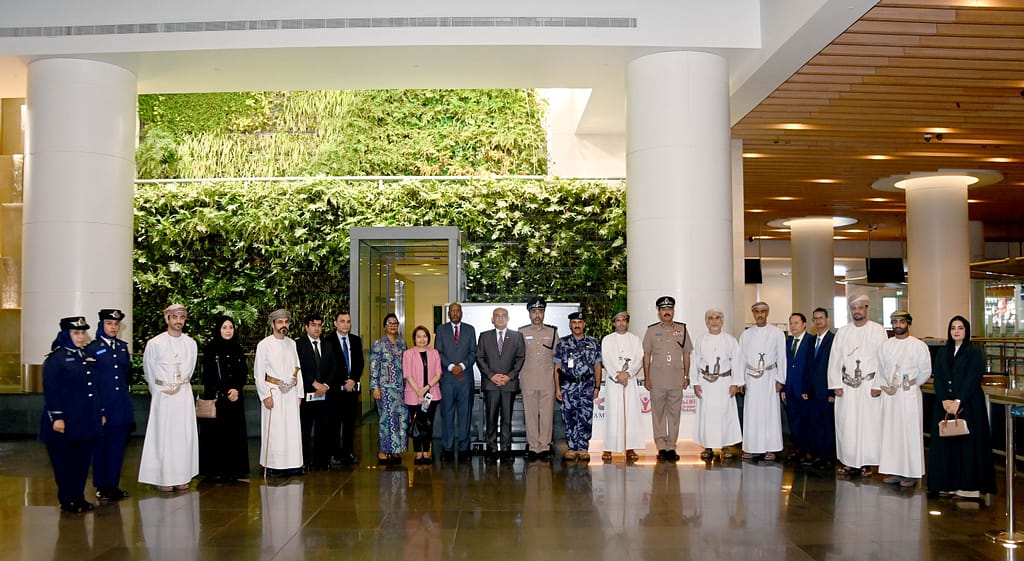
The opening was attended by a number of ambassadors accredited to Oman, along with officials and representatives of the relevant entities.
This is an unofficial English version of an Arabic report. To view the official Arabic text, click here.
Related stories: