
26 April 2026
The UNESCO–Sultan Haitham bin Tarik Award for the Safeguarding of Intangible Cultural Heritage is significant as a vital expression of human intellectual awareness and presence. It serves to reinforce the fundamental principles of human thought and creativity and creates a driver for preserving the essence of human history.
The award reflects the high attention given by His Majesty Sultan Haitham bin Tarik to cultural heritage and recognises its importance as a symbol of human identity. It is considered one of the leading global initiatives supporting outstanding cultural contributions at the international level.
The UNESCO–Sultan Haitham bin Tarik Award targets individuals, institutions, organisations, centres, academic and cultural institutes as well as governmental and non governmental entities working in the field of cultural and human heritage and contributes to recognising their efforts and cultural contributions in this field. It also supports Oman’s cultural engagement at the international level.
The award promotes international awareness of Oman’s cultural standing and its contribution to cultural dialogue and its positive outcomes. It also supports the introduction of one of the first international initiatives within UNESCO awards focused on intangible cultural heritage through Oman. It enriches relevant sustainable development projects based on institutional competition, which enhances innovation and creativity and also supports scientific research and promotes innovation in intangible cultural heritage. It strengthens educational aspects that raise awareness of its importance among future generations and helps to sustain human creativity and ensure its transmission across generations.

In this context, Dr Aisha bint Hamad Al Darmaki, Member of the State Council, said that Oman has long worked to preserve and safeguard its cultural heritage. She explained that heritage represents not only its history but also its present and future, forming a foundation for human development. Cultural heritage in Oman reflects historical strength, civilisational pride and intellectual depth. It shapes social development and supports modern cultural patterns, serving as a gateway to the world.
She added that cultural heritage is a resource for sustainable development and a source of creativity and innovation that drives the future. The launch of an award at UNESCO bearing the name of His Majesty Sultan Haitham bin Tarik reflects Oman’s deep awareness of the importance of cultural heritage for nations and the need to protect it. It also highlights its contribution to supporting human development and the opportunities it provides for knowledge and technology sectors, in addition to its role in other sectors such as tourism and the creative industries.
She noted that the launch of the award represents Oman’s message to the world and its call for peace, understanding and cooperation. Cultural heritage is described as human because it expresses the collective thought and depth of human existence, reflecting a shared history and civilisation among nations.
She pointed out that at a time marked by conflict and instability in many parts of the world, Oman’s establishment of this award reflects its clear call to return to shared human history as a source of creativity, thought and the building of civilisations.
She also said that the award provides a supportive environment for countries to safeguard their human heritage. It encourages researchers, practitioners and innovators worldwide to actively contribute to documenting, studying and developing their cultural heritage. These efforts support sustainable development goals.
The award stands as Oman’s gift to the world and its call to embrace heritage as a message of peace and coexistence among nations.
Dr Mahmoud bin Abdullah Al Abri, Secretary General of the Oman National Commission for Education, Culture and Science, explained that UNESCO defines intangible cultural heritage as practices, representations, expressions, knowledge and skills, along with associated tools, objects, artefacts and cultural spaces recognised by communities and sometimes individuals as part of their cultural heritage. It is also referred to as living heritage.
Oman joined the 2003 Convention for the Safeguarding of the Intangible Cultural Heritage in 2005. This aimed to strengthen cultural identity, protect traditional arts and crafts and ensure their sustainability for future generations. It also aimed to enhance international presence by registering Omani heritage elements on UNESCO lists, in line with Oman Vision 2040 and its role in regional and international cooperation.
He noted that Oman’s efforts align with this approach through issuing and updating cultural heritage laws and preparing a national cultural strategy that gives strong attention to safeguarding intangible heritage.
He explained that the award holds strategic importance through its effective contribution to UNESCO programmes and its alignment with global priorities. It also takes into account gender equality and youth inclusion in all aspects related to the award. It gives attention to Africa as a UNESCO priority by encouraging high quality nominations from the region while maintaining balance across all regions. It highlights community efforts to safeguard heritage and strengthens UNESCO’s role in promoting cultural diversity, social cohesion, sustainable development and peace.
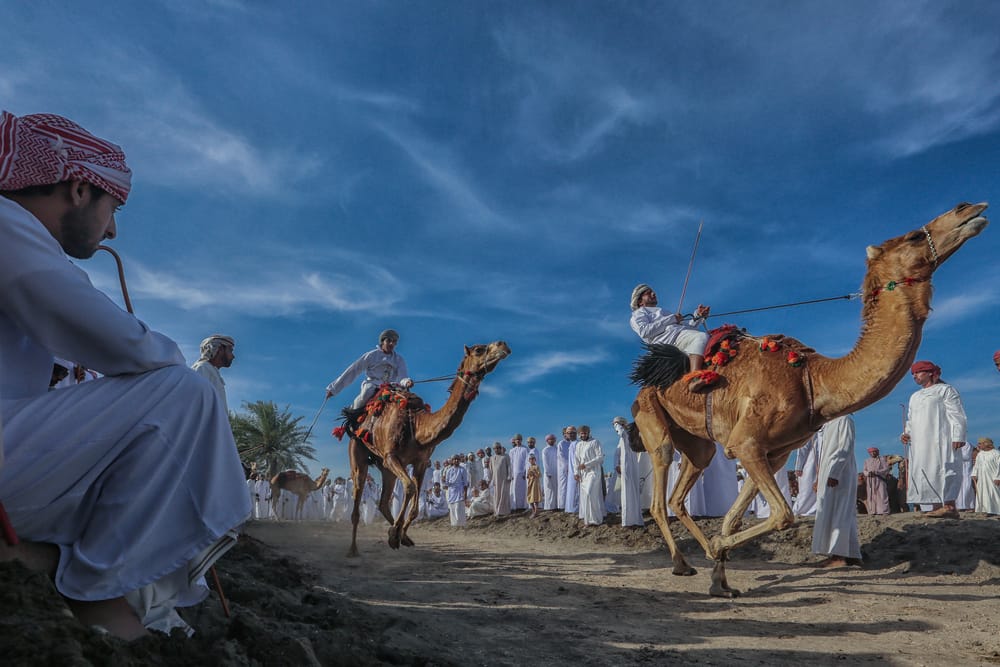
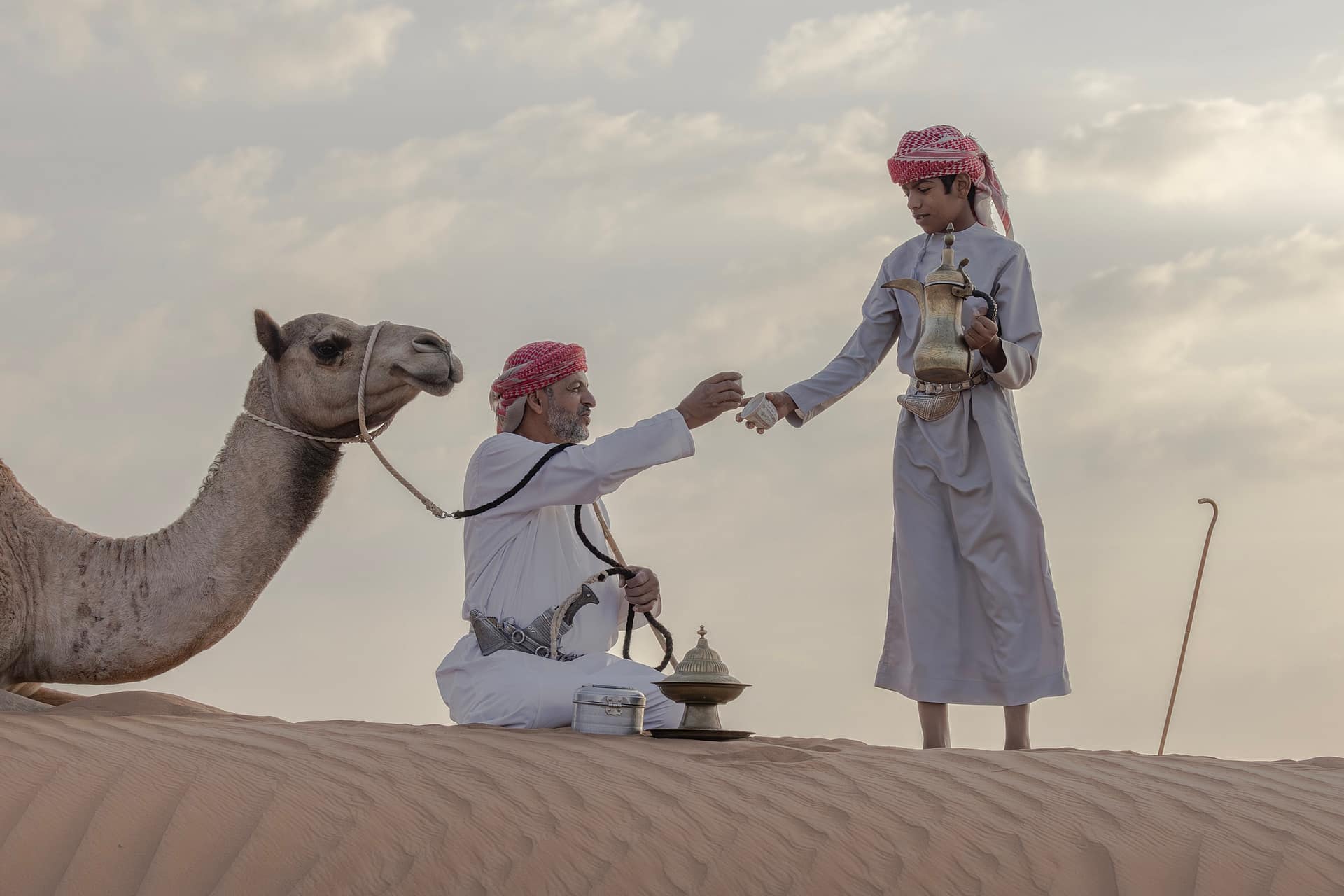
He added that Oman has inscribed 17 cultural elements on UNESCO’s Representative List of the Intangible Cultural Heritage of Humanity. These include Al Bar’ah, Al Azi, Taghrooda, Al Ayyala, Razha, cultural spaces of Majlis, Arabic coffee, horse and camel displays, date palm practices, camel racing, Arabic calligraphy, camel chants, the khanjar, Harees, henna, bisht and kohl. In addition, the programme of the ship Shabab Oman for peace and cultural dialogue was registered in 2024 under best safeguarding practices.
He noted that Oman ranks second in the Arab world in terms of the number of elements registered on the Representative List. Muscat also hosted the review of the Arab Strategy for Safeguarding Intangible Cultural Heritage in 2023, known as the Muscat Declaration. The strategy aims to strengthen Arab and Islamic cultural identity and ensure the preservation of intangible heritage.
Oman was among the early countries to ratify the 2003 Convention. The Ministry of Culture, Sports and Youth oversees its implementation and the registration of heritage elements across three lists: the Representative List, the Urgent Safeguarding List and the Register of Good Safeguarding Practices.
Since joining the convention, Oman has achieved several milestones. These include membership in the Intergovernmental Committee from 2008 to 2012 and the Evaluation Body from 2018 to 2021. Oman has registered 18 elements and established a national inventory covering eight categories, including performing arts, customs and traditions, traditional crafts, cuisine, oral traditions, earthen architecture, traditional games and traditional clothing. It has also organised capacity building programmes and scientific workshops that bring together researchers and practitioners in the field.
This is an unofficial English version of an Arabic report. To view the official Arabic text, click here.
Related stories: