
11 August 2026
The Food Security Forum and Exhibition opened in Dhofar Governorate on August 10, 2026. It is organised by the Dhofar branch of the Oman Chamber of Commerce and Industry in partnership with the Office of the Governor of Dhofar and the Ministry of Agriculture, Fisheries and Water Resources.
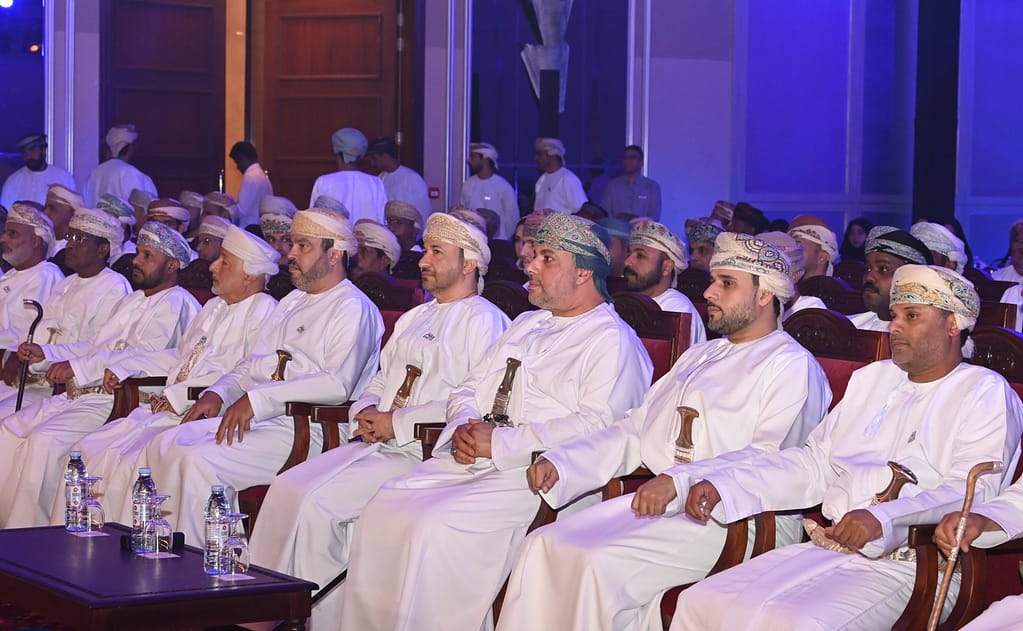
The Forum opened under the patronage of Sayyid Marwan bin Turki Al Said, Governor of Dhofar, and the Exhibition runs until August 15 with officials and representatives from the public and private sectors attending.
The event aims to highlight the food security sector as a key pillar of national security and a foundation for building a resilient and sustainable economy. This aligns with the strategic objectives of Oman Vision 2040 to diversify sources of income, attract high quality investment, empower the private sector and localise modern technologies.
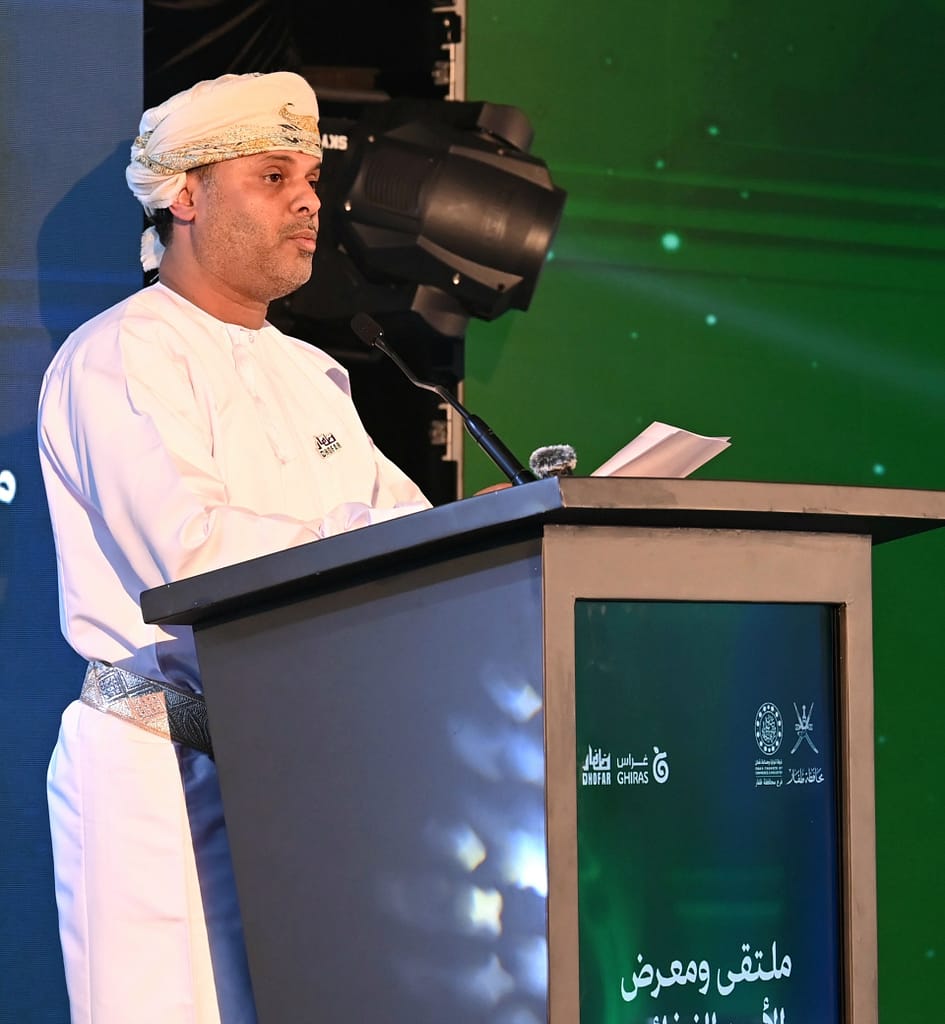
Naif bin Hamed Fadel, Chairman of the Oman Chamber of Commerce and Industry branch in Dhofar Governorate, delivered a speech in which he said that food security is a key pillar of national security and a central element in achieving the objectives of Oman Vision 2040 through economic diversification, private sector empowerment and the localisation of modern technologies.
The Ministry of Agriculture, Fisheries and Water Resources presented a working paper reviewing key indicators and figures for the main sectors. The average annual growth in total crop, livestock and fisheries production reached 6.9% between 2020 and 2025. Crop production grew by 7.8%, livestock production by 5.4% and fisheries production by 4.2%. Meanwhile, agricultural and fisheries GDP at constant prices rose to OMR 1,132.8 million by the end of 2025.
The data also showed higher levels of self sufficiency in 2024, reaching 146% for fish, 99% for dates, 95% for table eggs, 79% for vegetables, 45% for red meat and 24% for fruit.
The paper also highlighted a number of international indicators reflecting Oman’s progress in the fields of the environment, water resources and agriculture. Oman ranked 49th globally in Yale University’s 2026 Environmental Performance Index. It also ranked first in the GCC, the Arab world and the Middle East in indicators relating to the alignment of water resources and agriculture.
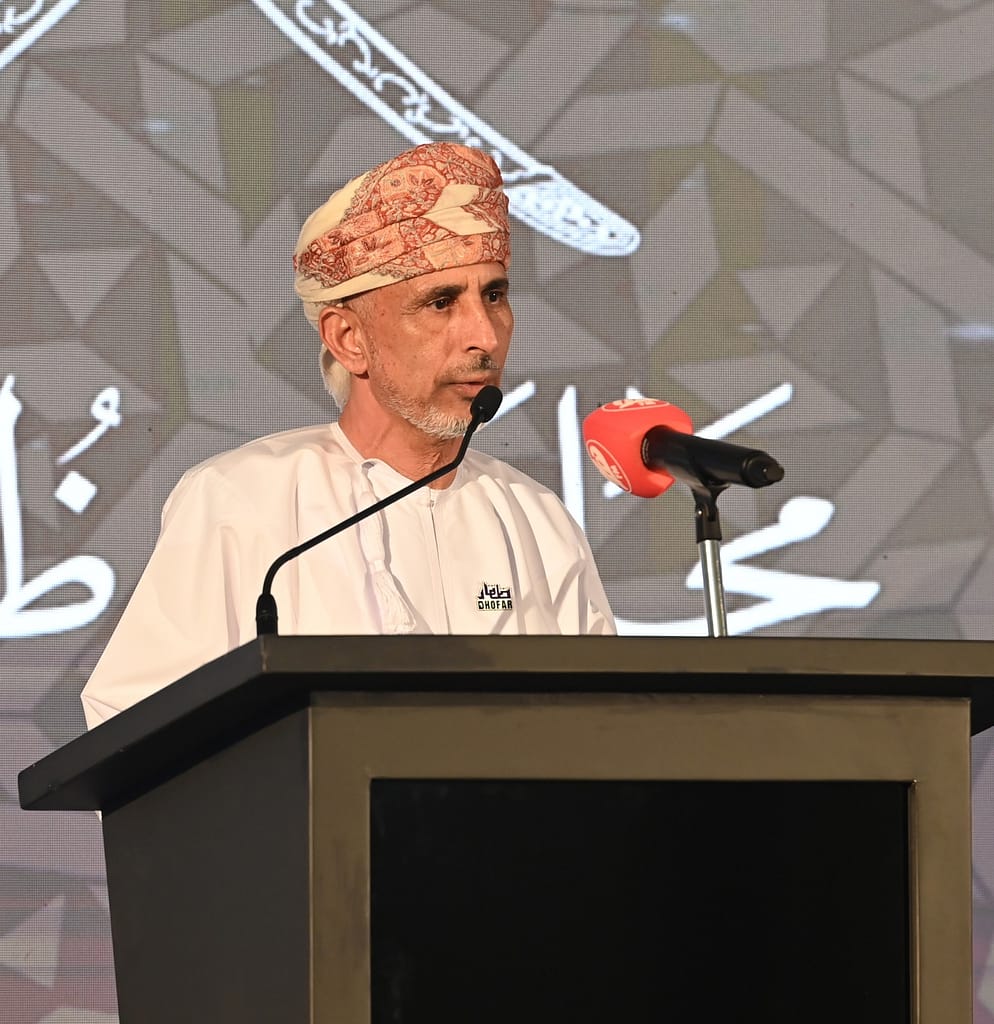
The Ministry of Housing and Urban Planning also presented a working paper on the “Tatweer” platform and usufruct contracts. It outlined the role of digital transformation in enhancing transparency, ensuring equal opportunities and reducing administrative procedures.
The paper explained that incentives offered to investors include usufruct rights for up to 50 years, renewable for further periods. Investors may also mortgage their usufruct rights to financial institutions to obtain financing. Other incentives include grace periods, financial exemptions during the establishment phase and preferential rental rates based on the nature and location of the activity.
A working paper presented by the Development Bank reviewed financing instruments that support the sector’s sustainability. Long term loans are available for up to OMR 5 million, rising to OMR 7 million for high value added projects outside Muscat Governorate. These loans carry a subsidised interest rate of 3% and repayment periods of up to 15 years. The bank also provides interest free loans for micro enterprises through its “Reefi” and “Tharwati” products.
The data showed that in 2025, the bank approved financing worth OMR 67.7 million for 3,740 food security projects. During the first half of 2026, it provided OMR 23 million in financing for 1,512 projects.
In Dhofar Governorate, 620 projects received financing worth OMR 7.3 million in 2025. During the first half of 2026, 315 projects received OMR 4.4 million in financing.
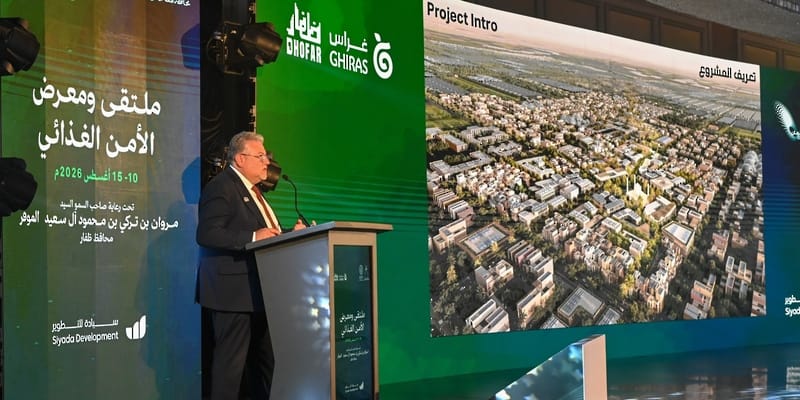
The forum also unveiled the master plan for Najd Agricultural City in the Wilayat of Thumrait in Dhofar Governorate through a presentation by Dar Al Handasah. The strategic project covers an area of 54 million square metres. It aims to increase agricultural production in the governorate by around 105,000 tonnes annually, contribute approximately OMR 125 million a year to GDP and create 6,500 jobs.
The city’s implementation plan is divided into three investment phases between 2030 and 2060, with a total estimated cost of OMR 903.19 million and participation from both the public and private sectors. It is intended to become an innovative agricultural oasis featuring research centres of excellence and modern farms using photovoltaic technologies and advanced water management systems.
The working paper sessions concluded with a presentation by “Technology Experts”, which explored the role of technology and smart solutions in ensuring the sustainability of food supply chains and tracking goods to reduce waste.
The first day also saw the signing of a number of usufruct contracts for food security projects under the supervision of the Ministry of Housing and Urban Planning. The accompanying exhibition will open tomorrow evening, Tuesday, in the Atin Plain area of Salalah, showcasing the latest Omani products and technologies in the field of food security.
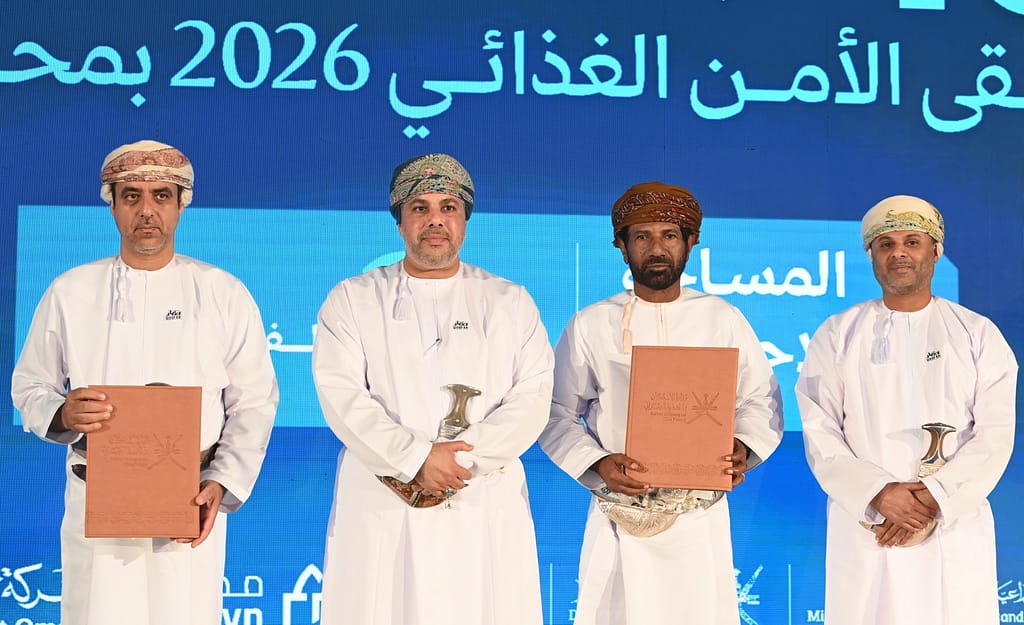
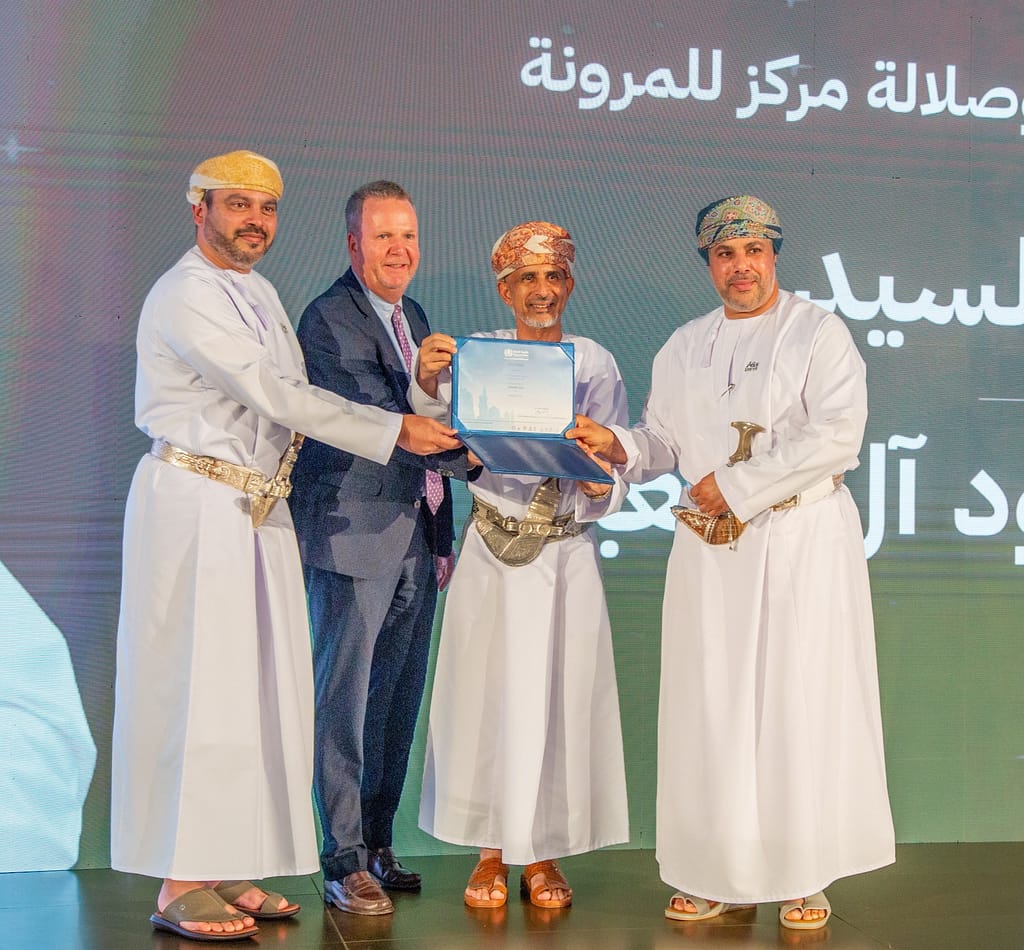
On the sidelines of the Forum’s opening ceremony, Salalah was also celebrated for receiving two international recognitions: as a Resilient City from the United Nations Office for Disaster Risk Reduction (UNDRR) and as a Healthy City from the World Health Organization. Strategic partners and supporting organisations were also honoured in conjunction with the Forum.
This is an unofficial English version of an Arabic report. To view the official Arabic text, click here.
Related stories: