Other elected representation

Municipal Councils Since 2012 Oman has a system of representation at the local council level. The aim of the councils is to give people a say at local level on matters relating to infrastructure, health and the environment, as well as on social and economic issues. In the last elections held in 2022, 727 candidates contested 126 seats on municipal councils …
Majlis A’Shura

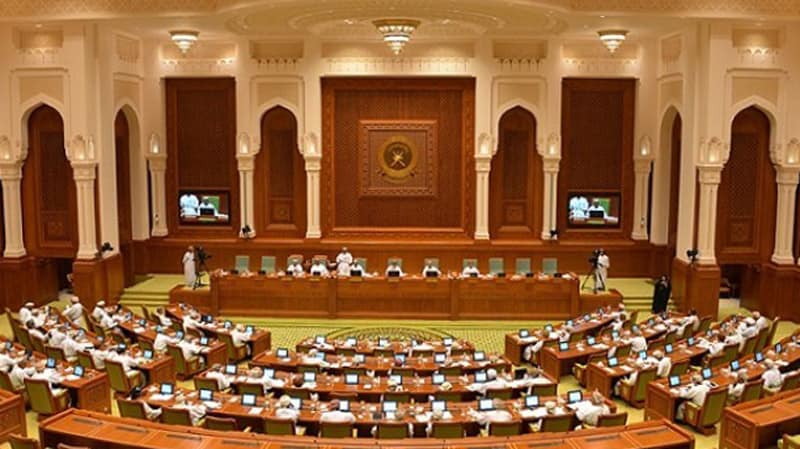
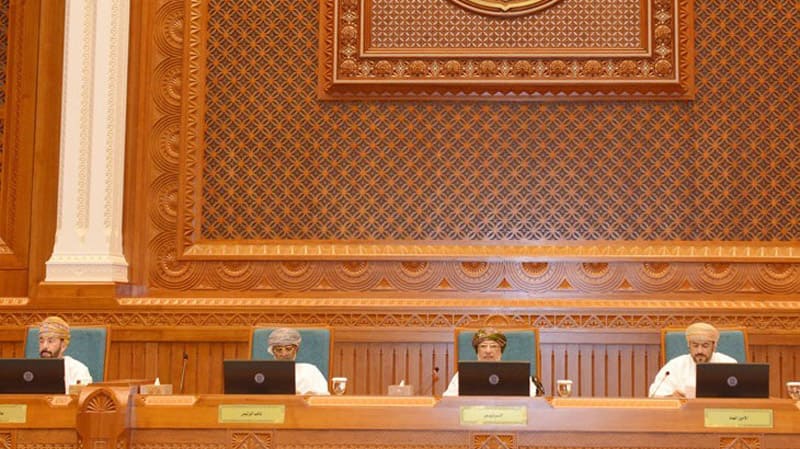
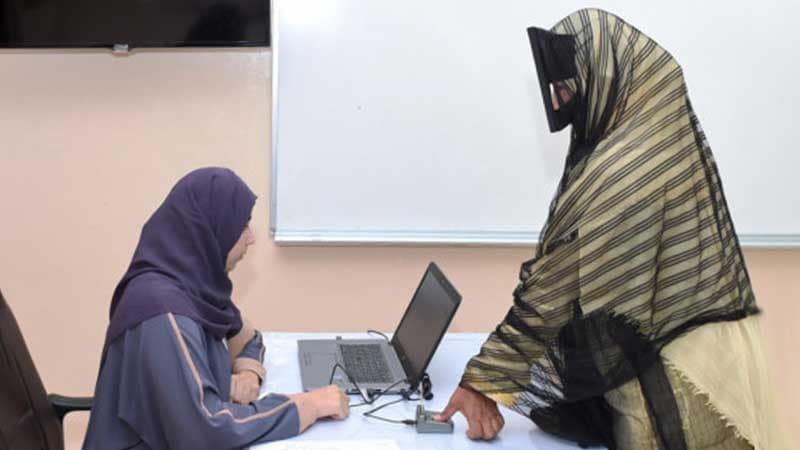
The Majlis A’Shura (Shura Council) consists of 90 members elected by direct, secret vote to represent all the Wilayats (provinces) of the Sultanate. All Omanis over the age of 21, men and women, may vote.The membership of the Council is determined so that each Wilayat (province) is represented by one member if its population is less than 30,000, and two …

Majlis A’Dawla

Majlis A’Dawla (the State Council) consists of a president and members, appointed for four-year terms by Royal Decree. The total number of members, including the president, must not exceed the number of members of the Shura Council.Role Under the Oman Council Law promulgated by Royal Decree No. 7/2021, the State Council, studies and discusses issues related to the implementation of …

Introduction to legislature

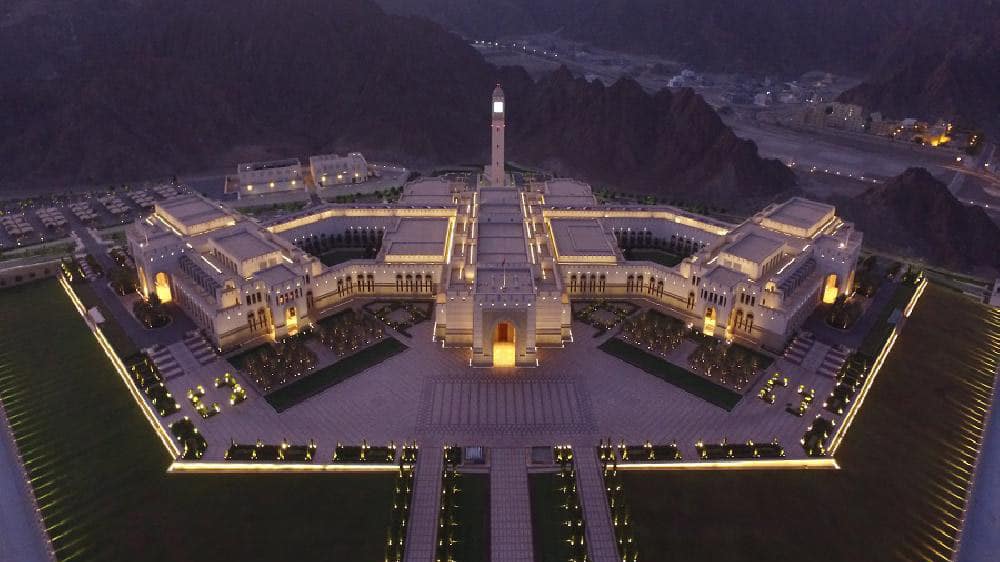
Under the Basic Law of the State (Oman’s constitution) the Oman Council (Oman’s legislature) is made up of Majlis A’Dawla (the State Council) and Majlis A’Shura (the Shura Council).The Council of Oman represents a practical embodiment of the concept of Shura which values the power of genuine dialogue and reflects Omanis’ belief in the power of consensus and collaboration. It …

The Basic Statute of the State

The Basic Statute of the State is Oman’s constitution representing the highest legislative authority in the Sultanate of Oman. It regulates all the institutions of the State and its relations with all individuals – be they citizens or residents.It decrees that His Majesty the Sultan is Head of State and Supreme Commander of the Armed Forces. He is the symbol …

Ministers’ profiles

HH Sayyid Shihab bin Tarik bin Taimur Al Said Deputy Prime Minister for Defence Affairs HH Sayyid Theyazin bin Haitham bin Tarik Al Said Deputy Prime Minister for Economic Affairs HH Sayyid Bilarab bin Haitham bin Tarik Al Said Minister of State and Governor of Muscat Sayyid Khalid bin Hilal bin Saud Al Busaidi Minister of Diwan of Royal Court …

Council of Ministers

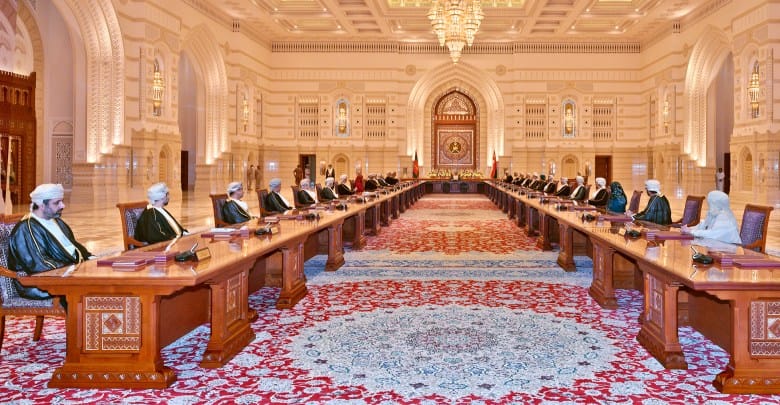
The Council of Ministers is the body responsible for shaping and implementing the policies of the State. It is the chief executive body of the Sultanate of Oman.His Majesty Sultan Haitham bin Tarik is the Prime Minister and presides over meetings of the Council of Ministers. The Council of Ministers submits recommendations to His Majesty the Sultan on economic, social …

Map of the Sultanate of Oman

Oman is situated in the south eastern corner of the Arabian Peninsula. It is surrounded by the sea on two sides, the Sea of Oman to the Northeast and the Arabian Sea and the Indian Ocean to the Southeast.From Musandam it overlooks the Strait of Hormuz, the gateway to the Gulf. It has land borders with the Kingdom of Saudi …

Oman by region

Oman encompasses 11 Governorates (Muhafazah). Each Governorate includes several provinces (Wilayats). Population figures for each Governorate are according to the National Centre for Statistics and Information. The last Census was conducted in 2020.Musandam The Governorate of Musandam, located in the extreme north of the Sultanate faces the Strait of Hormuz, one of the world’s busiest shipping lanes.    Read more …Musandam …

History

Oman has a long history. Archaeological research has found evidence of civilisation in the Sultanate as long ago as 3,000 years BCE.By 2,500 years BCE the region was renowned for its metalworking, with traders in reed boats voyaging from Oman to what is now Pakistan and Iraq. A lucrative trade in frankincense with ancient Egypt, Rome, Jerusalem and Bethlehem, both …

Religious freedom

The Government of the Sultanate of Oman protects the basic rights of its citizens, including the freedom of religious belief, worship and education.Freedom of belief is guaranteed under the Basic Statute of the State. The vast majority of Omanis are Muslims and, while most of them belong to the Ibadi school, there are also Sunnis and Sh’ias. Omani society does …

Economy

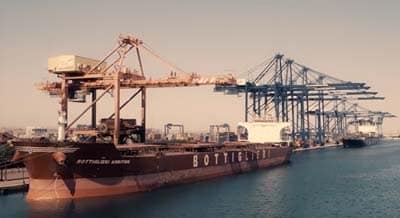
Oman’s economy was traditionally based on fisheries, agriculture and trade before the discovery and development of its oil and gas reserves.Overlooking the Strait of Hormuz, the entrance to the Gulf, the source of two-thirds of the world’s oil exports, Oman sits on key East-West trade routes, ensuring easy access to markets in the Middle East, India, South East Asia, Africa …

Geography

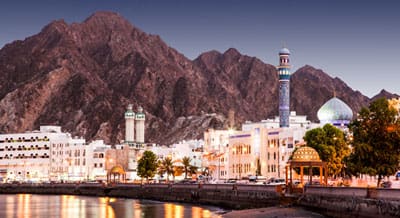
The Sultanate of Oman is the third largest country on the Arabian Peninsula.It has a total area of 309,500 square kilometres (approximately 120,000 square miles). Oman is strategically located in the south east corner of the Arabian Peninsula at the junction of Africa, Asia and the Middle East. Its long coastline includes regions that can be green and habitable, unlike …

Key facts

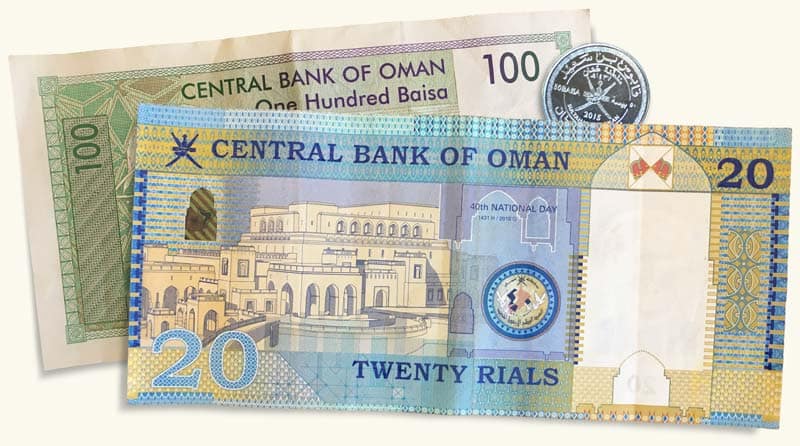
Official nameThe Sultanate of Oman Head of StateHis Majesty Sultan Haitham bin Tarik CapitalMuscat Population5,388,513 (May 2026) Area309,500 sq km (120,000 sq miles) Official languageArabic with widespread use of English ReligionIslam GovernmentHereditary monarchy ConstitutionThe Basic Law of the State 1996 CurrencyOmani Rial Time zoneUTC +4 International dialling code+968

Flag, Emblem and National Anthem

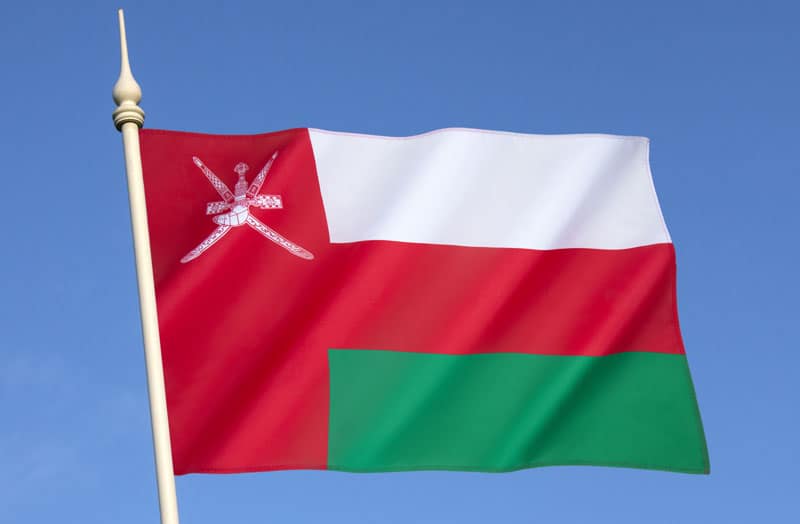
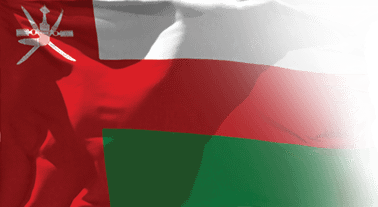
The Flag The National Flag of Oman was adopted by Royal Decree on 17th December 1970 and updated by Royal Decree on 22nd May 2004. The flag is rectangular and consists of three horizontal bands of white, green and red, with a vertical red band on the left (hoist) side that contains the National Emblem of Oman in white. To …