

21 October 2026
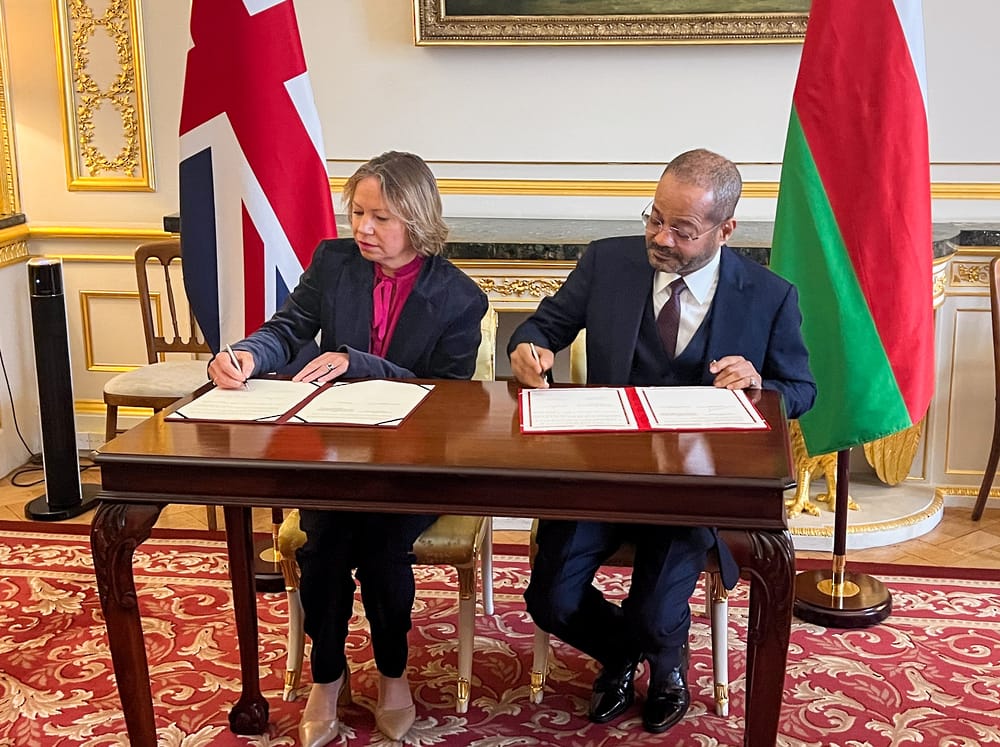
The Sultanate of Oman and the United Kingdom (UK) signed letters of intent in the fields of space and the use of artificial intelligence in education.
The signing of took place in London within the framework of the state visit by His Majesty Sultan Haitham bin Tarik to the United Kingdom.
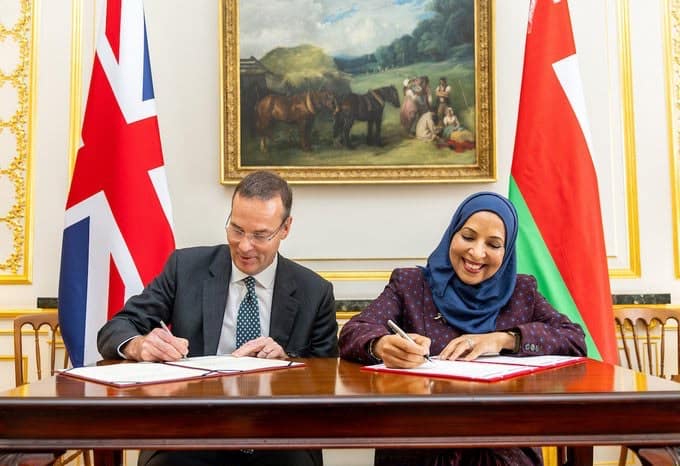
The two letters of intent were signed by Sayyid Badr Albusaidi, Foreign Minister, Dr Madiha Al Shaibani, Minister of Education, on b ehalf of Oman. Dr Alice Bunn, Co-Director of the UK Space Agency, and Scott McDonald, Chief Executive of the British Council, signed on behalf of the United Kingdom.
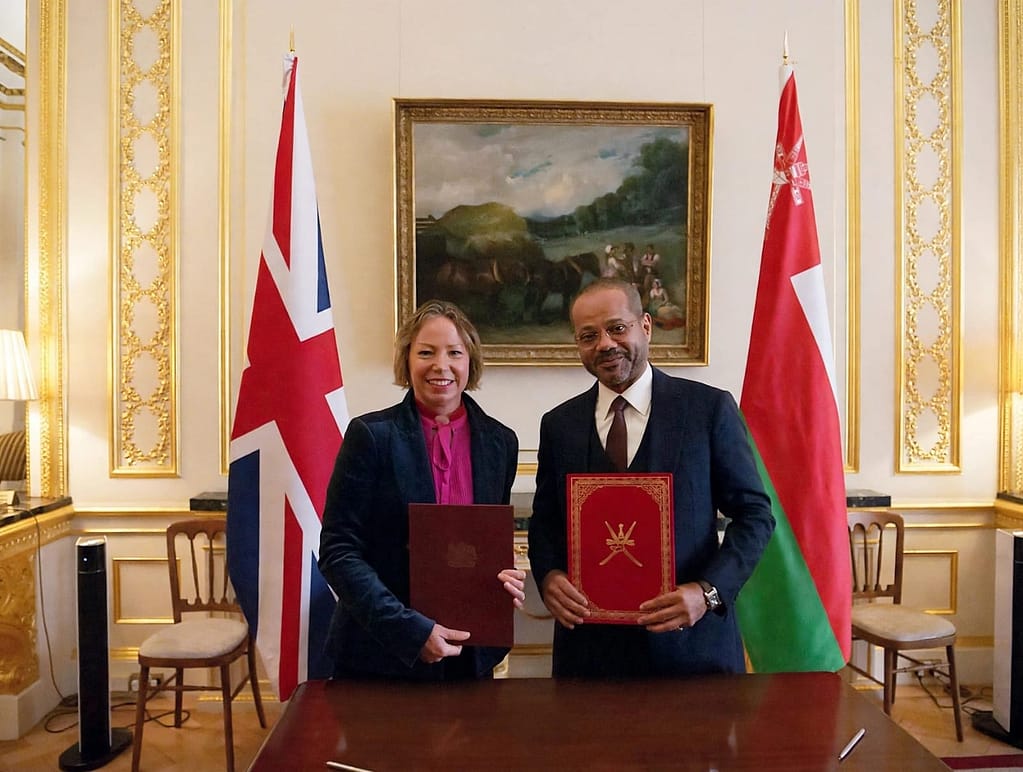
The first letter of intent seeks to enhance cooperation in the space sector and the exchange of expertise in space policy, scientific research, and innovation between the UK Space Agency and the Government of Oman.
The second letter relates to the responsible use of artificial intelligence in education. It aims to support English language learning and help teachers use artificial intelligence safely and effectively in the classroom.
Dr Madiha bint Ahmed Al Shibani told the Oman News Agency that the letter of intent between the Ministry of Education and the British Council represented an important step towards strengthening educational cooperation. It would also help explore the opportunities offered by artificial intelligence to develop teaching and learning methods and build students’ skills in response to technological change and future requirements, in line with the objectives of Oman Vision 2040.
She explained that this cooperation focuses on the joint design and implementation of a pilot project in a selected group of secondary schools in Oman to develop students’ English communication skills, particularly speaking and writing. It aims to enhance their labour market readiness skills, and raise their level of preparedness to enrol in higher education institutions whose programmes are taught in English.
The Minister said that the project includes building teachers’ capacities to use learning tools supported by artificial intelligence. Educational activities would be aligned with Omani curricula and the needs of participating schools, while adhering to the principles of safe and responsible use of modern technologies and protecting students and data.
She explained that the pilot project would be evaluated according to indicators agreed by both partners. Its results would contribute to developing educational practices and identifying opportunities for possible future expansion, supporting evidence-based decision-making.
Dr Madiha concluded by saying that this partnership sought to draw on shared expertise to develop innovative learning environments and enable students to acquire language capabilities and future skills.
This is an unofficial English version of an Arabic report. To view the official Arabic text, click here.
Related stories: