
22 October 2026
The Sultanate of Oman has launched the second phase of its National Digital Economy Programme (2026–2030), targeting a contribution of OMR 1.5 billion to GDP, OMR 300 million in technology investments and 3,000 new direct jobs annually through digital economy initiatives.
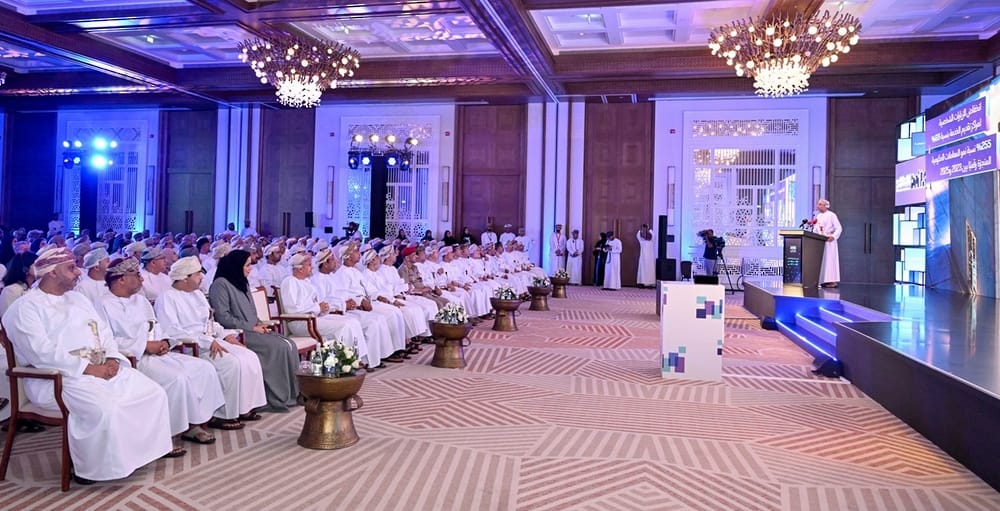
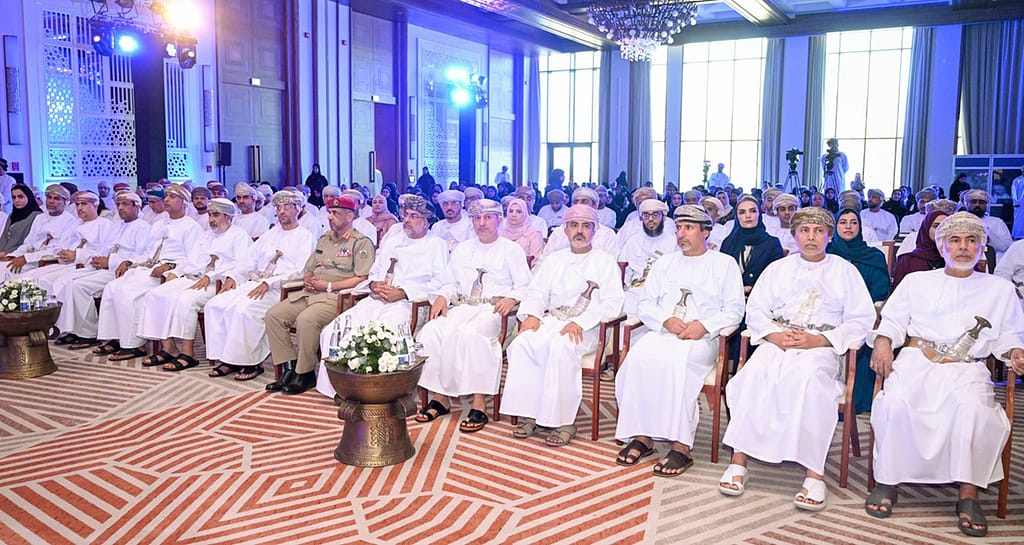
The launch ceremony, held under the patronage of Sultan Al Habsi, Minister of Finance, also revealed that the digital economy now accounts for 9% of Oman’s GDP, according to a survey conducted by the National Centre for Statistics and Information in cooperation with the Ministry of Transport, Communications and Information Technology(MCTIT).
The programme’s second phase focuses on digitalising strategic economic sectors, expanding e-commerce and electronic payments, supporting the digital transformation of small and medium enterprises (SMEs), and accelerating the adoption of artificial intelligence (AI).
The ceremony also saw the launch of the Programme’s Strategic Intelligence Platform, developed in cooperation with the World Economic Forum to support policymaking through data analysis and insights into emerging trends.
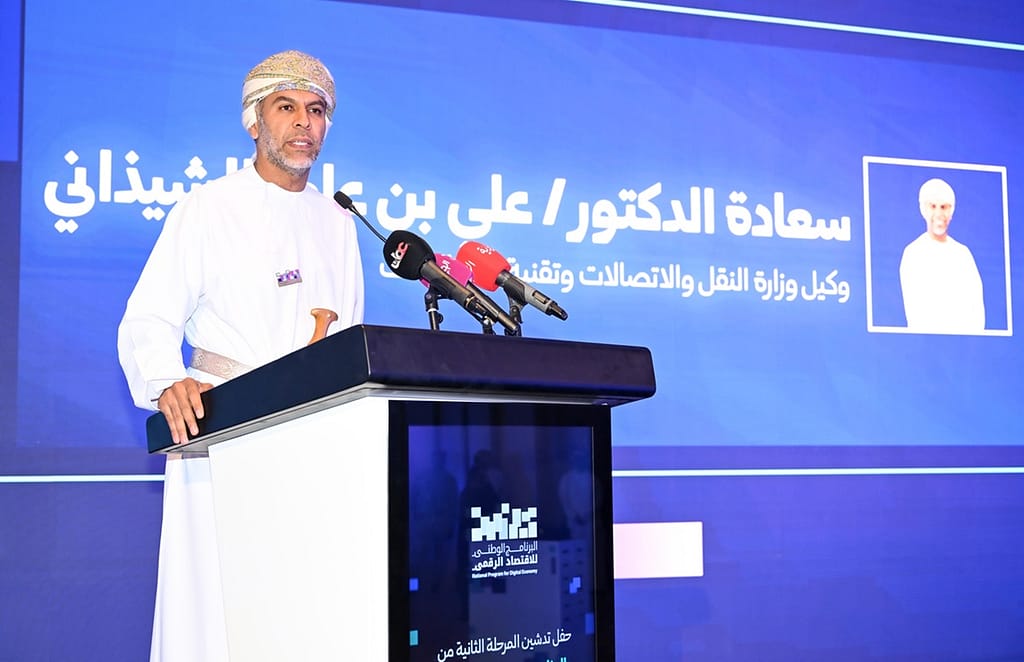
Dr Ali bin Amer Al Shidhani, Undersecretary for Communications and Information Technology at the MCTIT , highlighted progress in developing national digital skills and infrastructure. Omanisation in technology activities rose from 33% in 2022 to 46% in 2026, while the rate in technology professions increased from 50% to 72%. More than 5,000 technology jobs were created for Omanis over the past five years.
He also highlighted the training of specialists in AI and semiconductors, the development of 50 AI products, and support for technology startups. Oman rose to 22nd globally in the UN Telecommunications Infrastructure Index in 2024, while high-speed mobile broadband coverage reached 99% of the population.
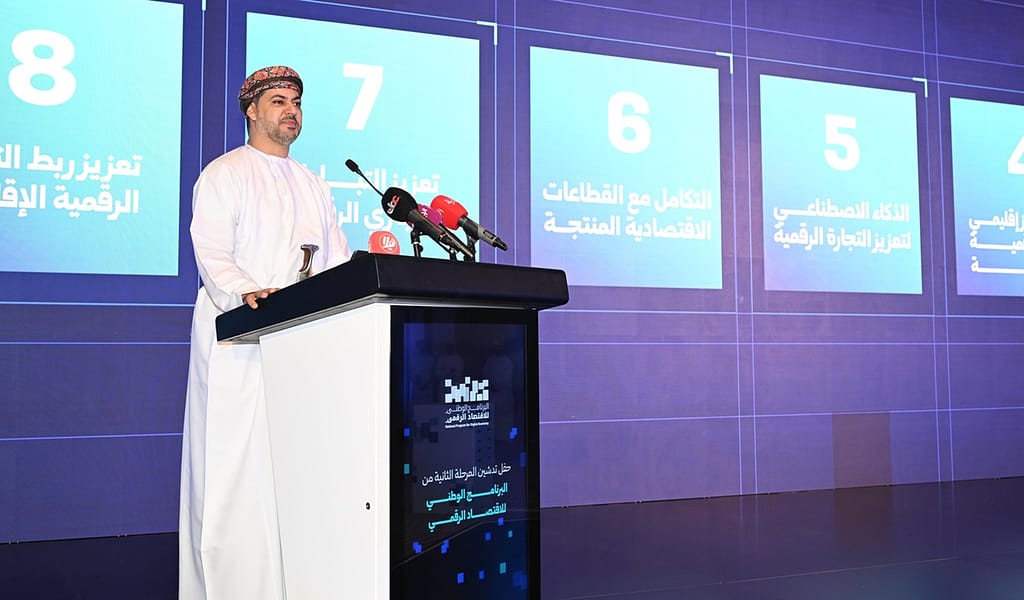
Engineer Ghalib bin Said Al Maamari, Undersecretary for Commerce and Industry at the Ministry of Commerce, Industry and Investment Promotion, said the second phase marks an important step towards a more competitive and sustainable digital economy.
He explained that the Digital Commerce Programme aims to turn digital capabilities into economic opportunities for businesses, particularly SMEs and entrepreneurs. Building on achievements such as the Maroof Oman platform and e-commerce regulations, the 2026–2030 phase will strengthen the integration of digital commerce with productive economic sectors, expand access to regional and international markets, and promote the use of AI in marketing, inventory management, supply chains and customer services.
The National Digital Economy Programme supports Oman Vision 2040 through eight initiatives covering digital transformation, AI, cybersecurity, space, digital industries, digital commerce, financial technology and digital infrastructure. Its four phases run from 2021 to 2040, with the ultimate aim of strengthening national digital industries, expanding digital exports and improving Oman’s global competitiveness.
The launch ceremony was attended by senior officials and representatives of government, private sector and academic institutions.
This is an unofficial English version of an Arabic report. To view the official Arabic text, click here.
Related stories: