
3 February 2026
The presence of young Omani women in non-traditional sectors is no longer a striking exception or merely a social indicator of equality. It has become a firmly established national path supported by strategic plans that place a knowledge based economy, innovation, advanced technologies and sustainability at the heart of national priorities.
Within this shifting landscape, the talent of young Omani women stands out in specialised sectors such as energy and minerals, cyber security, chemical engineering, artificial intelligence and medical equipment engineering. Women no longer participate only in implementation. They now play a central role in planning, decision making and developing future solutions.
Omani women working in these professions have been speaking about their experiences. Their professional journeys are documented to understand the nature of their roles and how their daily work contributes to supporting the national economy and shaping the future.
Zainab Al Saadi, Director of the Health, Safety and Environment Department at the Ministry of Energy and Minerals, says that her academic background and specialised training in the energy and minerals sector, followed by work in health, safety and environment, helped build a solid knowledge and professional foundation.
This background enabled a clear understanding of the sector’s nature and its regulatory and operational requirements. It also allowed her to acquire the skills needed to work efficiently in one of the most demanding work environments.
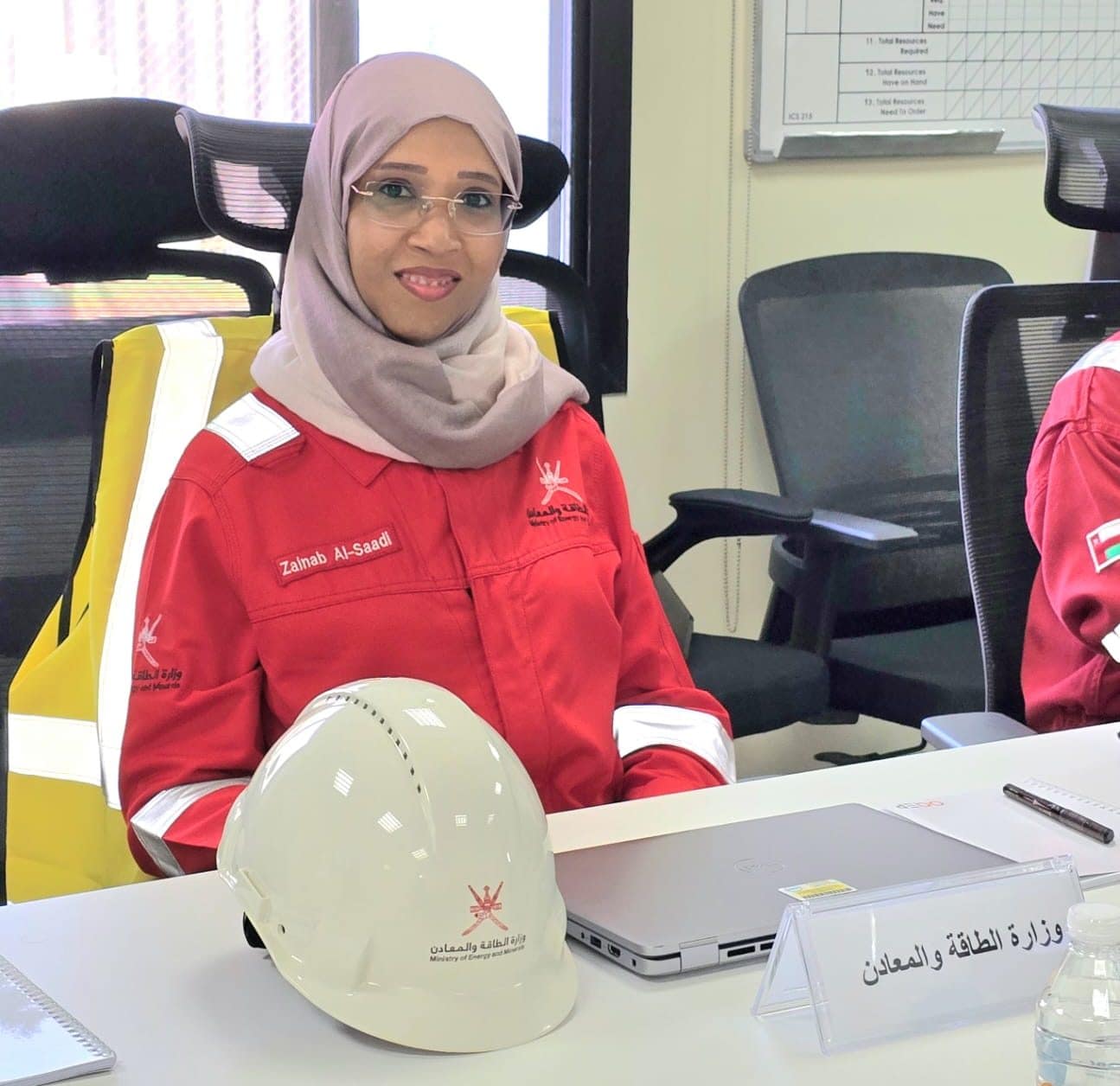
She explains that hands on training in real work environments played a key role in turning theoretical knowledge into informed practical application. It strengthened her ability to manage risks and comply with safety and sustainability standards. She adds that her choice of non-traditional professional paths stemmed from her conviction of their strategic importance to the national economy and their central role in achieving comprehensive development. This choice also reflects her desire to contribute effectively to a sector where health, safety and the environment are crucial to responsible performance, resource protection and sustainability.
She adds that her professional journey included a broad based process of development and qualification. She began by earning a bachelor’s degree in Petroleum Engineering and Mineral Resources, with a minor in Chemical and Petrochemical Engineering, from Sultan Qaboos University. She then received a scholarship to the United Kingdom, where she obtained a master’s degree in Process Safety and Loss Prevention from the University of Sheffield. Practical work on graduation projects deepened her knowledge and addressed real challenges in work environments. She also joined an on the job training programme at Petroleum Development Oman for one and a half years as a production engineer.
In addition, she completed a six month part time programme at the Omani Energy Association in the field of health, safety and environment standards. She previously represented the oil and gas sector in the National Net Zero Programme. This role gave her the opportunity to work within one of the national programmes derived from Oman Vision 2040. It also allowed her to gain field experience through visits to various operational sites.
She has also taken part in several theoretical and practical training courses, particularly in health, safety and environment. These courses rely on modern training methods such as simulation systems, digital learning and virtual reality. This approach improves training quality and strengthens understanding of complex processes.
Zainab says that each working day offers a new opportunity to gain additional skills and knowledge through engagement with local and international expertise, as well as participation in specialised conferences and workshops. This path led to her career progression from production engineer to Director of the Health, Safety and Environment Department in 2021, following a professional career spanning nearly 20 years.
She believes that the operational and scientific environment in the Sultanate of Oman is witnessing rapid progress in adopting modern technologies. This progress supports optimal use of natural resources, improves operational efficiency and enhances safety levels and environmental protection. It also focuses on building and qualifying national competencies capable of meeting future requirements and achieving balance between economic growth and sustainability.
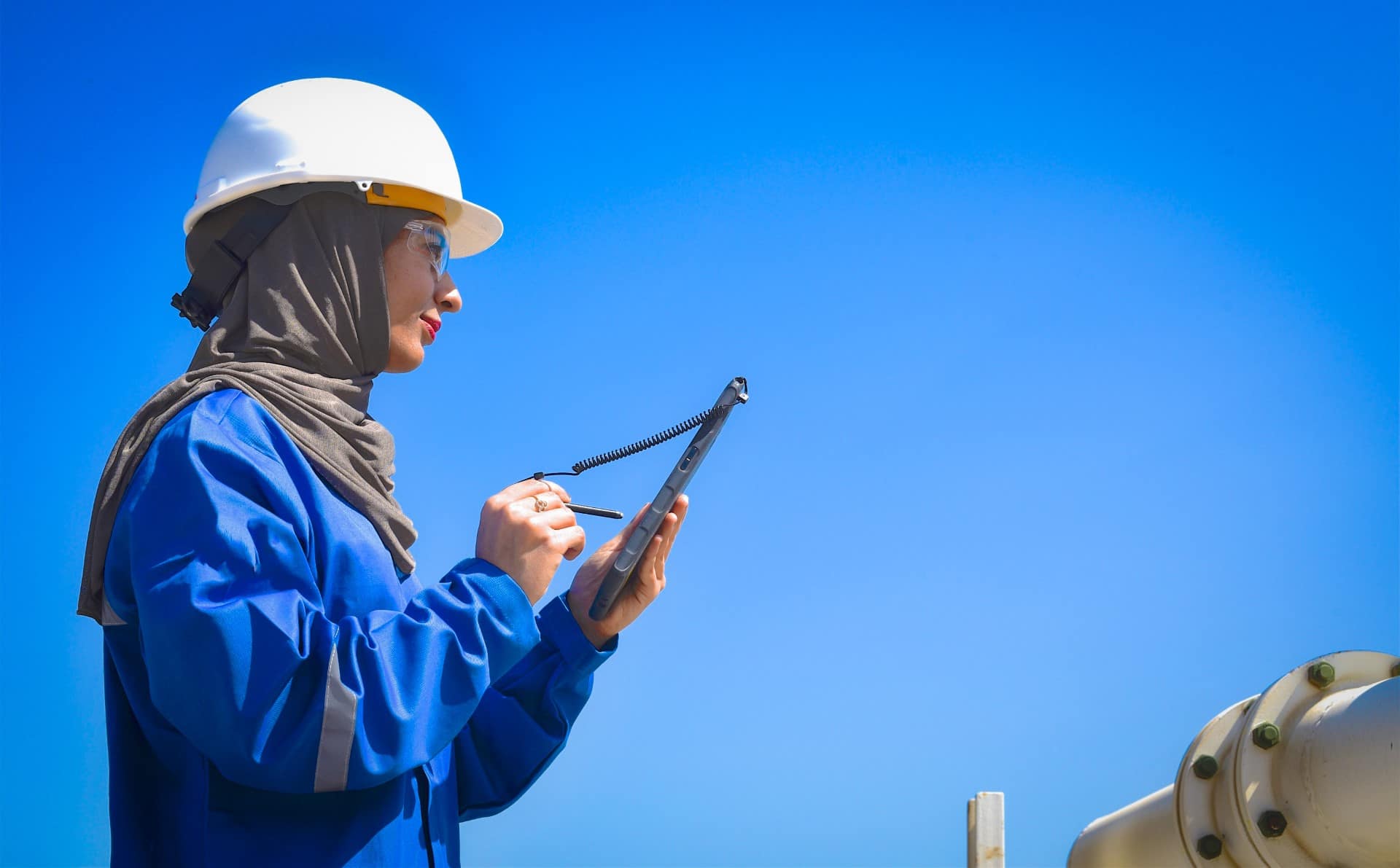
In the field of cyber security, Iman Al Rawahi, Director of the Electronic Information Security Department in Muscat Governorate, says that scientific knowledge and technical skills formed the core foundation of her career in cyber security. Her journey began with building a strong knowledge base in information technology. This included understanding operating systems, networks and databases, alongside programming and systems analysis. This scientific foundation enabled her to understand modern digital infrastructure and how its components interact. This understanding is essential for recognising cyber threats and methods to reduce their risks, particularly in light of the rapid digital transformation taking place across institutions today.
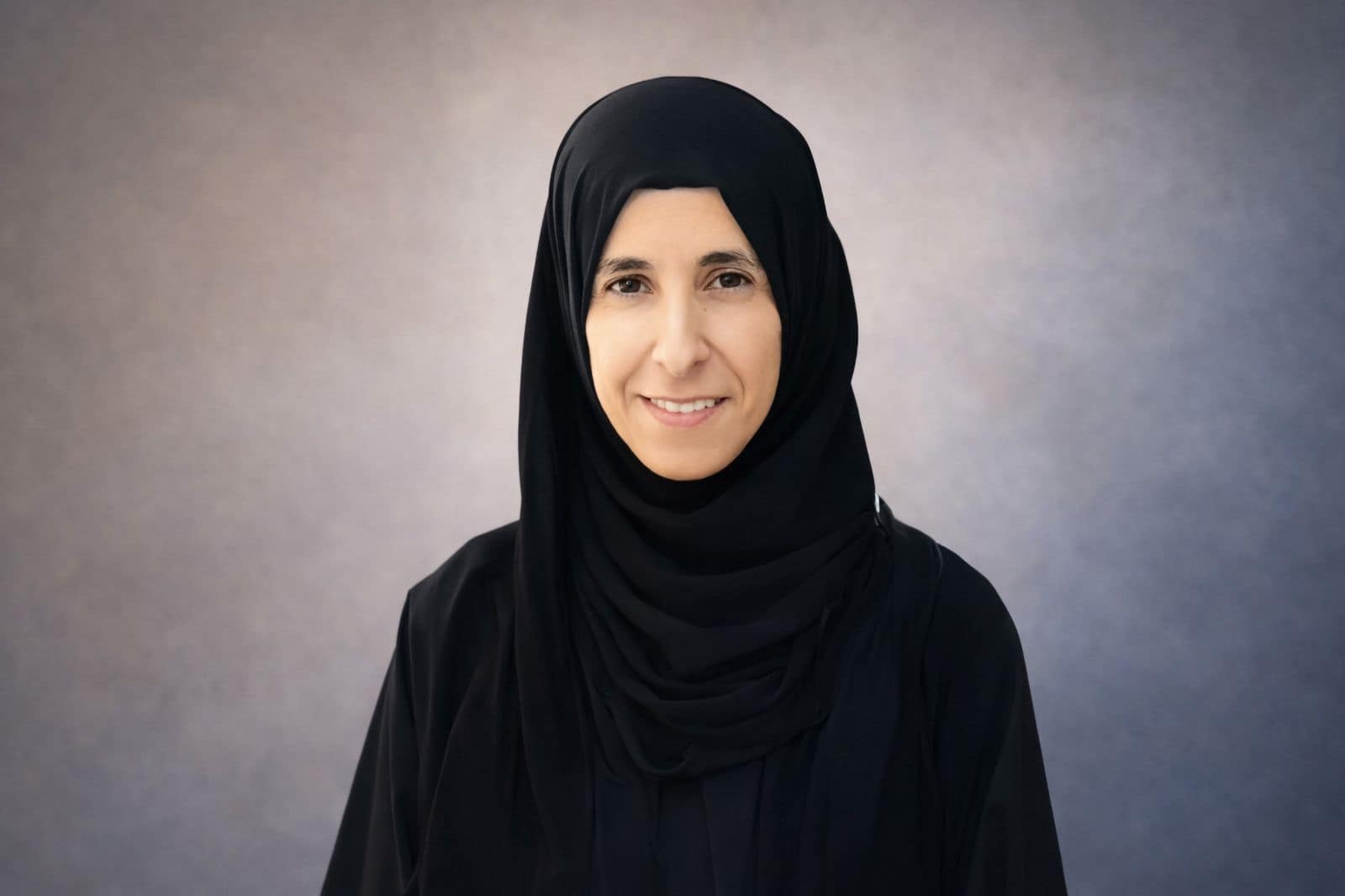
She says that continuous engagement with global best practices and regular review of professional references and specialised reports in cyber security and governance strengthen the practical dimension of her work. This approach connects theoretical knowledge with real world application. Its impact appears clearly in information protection, understanding the nature of security vulnerabilities and developing regulatory frameworks aligned with institutional needs and digital sustainability requirements.
From a practical perspective, she explains that direct interaction with systems, participation in drafting security policies and procedures, and monitoring compliance with approved requirements played an important role in refining her professional skills. It also helped her build a broader view of cyber challenges. She says that keeping pace with rapid technological developments, such as cloud computing and artificial intelligence, has expanded her awareness of emerging risks and reinforced the need to adopt flexible solutions capable of adapting to changing technological environments.
Her motivation to specialise in this vital field stems from a firm conviction that cyber security is no longer merely a technical option. She believes that it has become a core element in ensuring business continuity and protecting digital assets. As reliance on digital technologies increases, she says, the need grows for competencies capable of balancing innovation enablement with risk reduction. This belief has remained a constant driver for her learning and professional development in this field.
Regarding the work environment, she says it shows growing awareness of the importance of cyber security. There is a clear trend towards strengthening institutional practices and gradually raising readiness levels. The environment offers genuine opportunities for professional growth through participation in policy development, improvement of procedures and teamwork aimed at adopting recognised best practices and standards.
Engineer Ibtisam Al Haloni, Head of the Chemical Materials Management Section at the Chemical Materials and Waste Management Department of the Environment Authority, says that the scientific and practical foundations shaping her path in chemical engineering are diverse.
Her background combines a solid understanding of core scientific principles related to chemical engineering with personal interest in specific fields and subjects such as mathematics, physics, chemistry and biology. It also includes applied chemistry disciplines such as inorganic chemistry, organic chemistry, analytical chemistry, states of matter and their transformations and energy and its transformations in chemical processes, as well as calculus, fluid mechanics dealing with the flow of liquids and gases and physical chemistry.
Her training also covered applied engineering principles such as thermodynamics, heat and mass transfer, reactor design and process dynamics and control. These foundations support the conversion of raw materials into products of economic value and the efficient and environmentally and economically effective improvement of industrial processes in sectors such as petrochemicals, pharmaceuticals, food, fertilisers and dye manufacturing.
She adds that the close connection between chemical engineering and daily life, along with the wide range of uses for products resulting from chemical engineering processes, played a major role in shaping her professional path in this specialisation. A strong sense of safety awareness, research skills and a passion for understanding the details of chemical substances, their engineering and their dual use also formed part of the foundations that guided her career choice.
Regarding the drivers that led her to choose this precise specialisation linked to industry and innovation, she says that chemical engineering is of major importance as one of the key disciplines in high demand worldwide. It has a significant impact on national economies.
Much of everyday life depends on chemical engineering, she says, as the materials handled daily result from applying scientific and engineering concepts to transform raw materials into products. She adds that her motivation also stems from a passion for developing industries, transforming raw materials and addressing challenges related to energy and the environment. This includes the broad application of chemical engineering in vital fields such as pharmaceuticals, food and textiles, alongside a focus on innovation to produce more efficient and environmentally friendly processes.
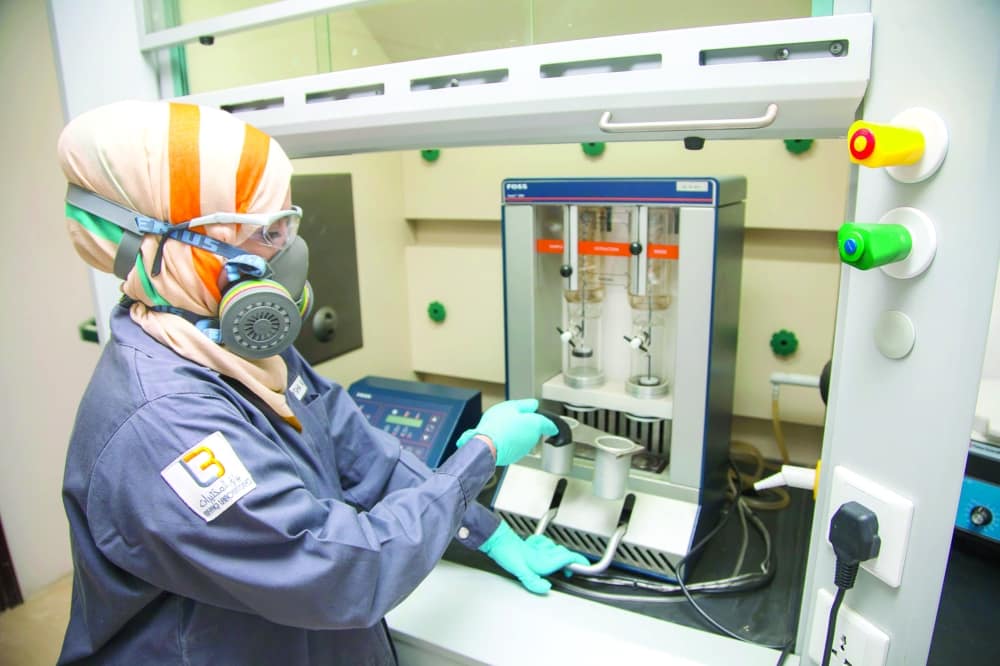
She says that the scientific and practical environment around her ranks among the most successful and effective. It encompasses several key fields with a strong and active role at local, regional and international levels. These include manufacturing, energy, scientific research and innovation, alongside other sectors. This environment has helped broaden horizons for chemical research and development, particularly in global directions that rely on chemical engineering. These include carbon net zero, manufacturing industries, renewable energy and sustainability, pharmaceutical industries, waste management, water desalination, green hydrogen and climate change.
She also notes the relevance of key pillars within Oman Vision 2040 linked to chemical engineering. These pillars are the economy and development, a sustainable environment and people and society.
She believes that chemical engineering will form a highly promising platform in the future, particularly in light of the national focus on sustainability and industrial transformation. This will support the contribution of young Omani women to initiatives in renewable energy, water desalination, pharmaceutical industries, waste management and the development of chemical materials.

Hajar Al Shandoudi, a medical equipment engineer in the private sector, says that medical equipment engineering represents a qualitative shift in the concept of non traditional engineering careers. It goes beyond conventional engineering focused on design and production to integrate medical knowledge and modern digital sciences. A biomedical engineer does not rely solely on expertise in mechanics or electronics. The role requires deep understanding of biophysics, biology, anatomy and data analysis software.
This knowledge enables the design of precise and safe devices that directly affect human life. Engineering roles therefore move from manufacturing physical products to strategic functions that contribute to improving health and medical treatment. This shift reflects a fundamental change in engineers’ responsibilities and their role within the healthcare system.
She says that biomedical engineering plays an integrated role in developing medical devices, improving their diagnostic and therapeutic efficiency and ensuring operational reliability. Modern equipment, such as magnetic resonance imaging systems and ventilators, depends on the integration of mechanical and electronic components with intelligent software. This integration allows real time analysis of medical data and precise performance monitoring. Biomedical engineers also contribute to designing smart maintenance systems and setting operating parameters to ensure sustainable performance and patient safety.
She adds that, in light of digital developments, medical equipment engineering can anticipate the future of healthcare through the use of artificial intelligence and advanced technologies. These include early disease detection and big data analysis to support medical decision making. Surgical robots and three dimensional printing of organs can also enhance treatment effectiveness and precision.
This progress strengthens the concept of personalised medicine tailored to each patient’s needs. These innovations come with technical and ethical challenges, including protecting health data, ensuring device safety and avoiding excessive reliance on technology at the expense of human medical expertise. She stresses that managing these risks requires strict testing and regulatory standards, alongside sustainable device design to ensure the continuity of healthcare systems.
This is an unofficial English version of an Arabic report. To view the official Arabic text, click here.
Related stories: