


Geneva: Oman organises human rights event
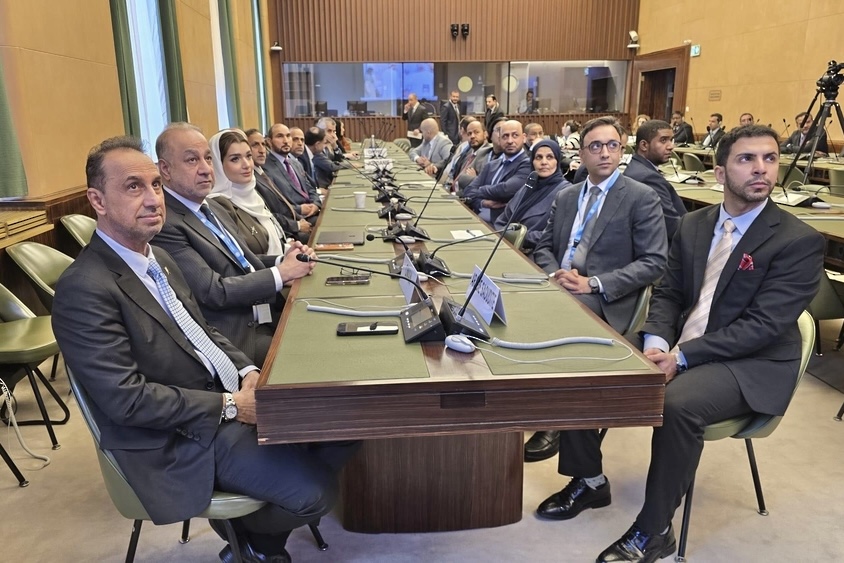
The Omani Human Rights Committee organised an event at the Palais of Nations in Geneva to present the Omani human rights experience and to highlight its role in the promotion and protection of human rights.
The event also aimed to open avenues of dialogue with international partners, and to exchange best practice and experiences with international institutions and bodies concerned with human rights.
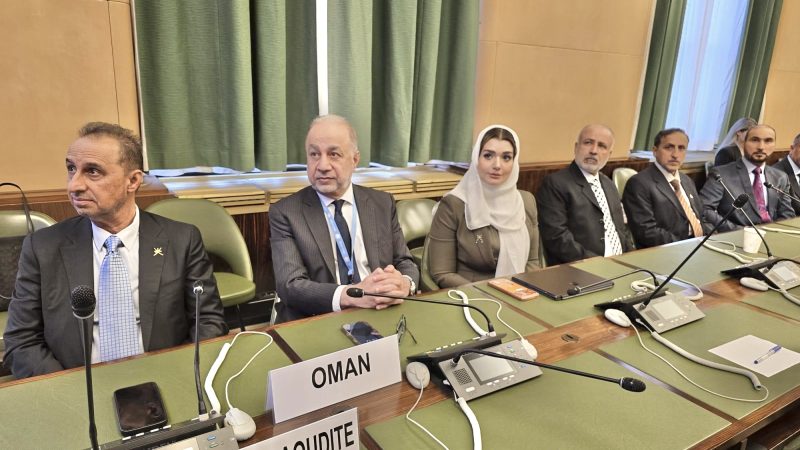
The event was organised in cooperation with the Permanent Delegation of the Sultanate of Oman to the United Nations and International Organisations in Geneva with the aim of highlighting the institutional role of the Committee.
It also sought to promote international cooperation and the exchange of experiences, to present key features of the Committee's experience and priorities, to provide a brief and reliable picture of its work, and to highlight national efforts in various fields including workers' rights. It also sought to introduce the Committee's awareness programmes and tools.
The event targeted a wide range of human rights stakeholders in Geneva, including diplomatic missions accredited to the United Nations, relevant international organisations and United Nations agencies, national human rights institutions, civil society organisations and human rights stakeholders, as well as researchers and media professionals.
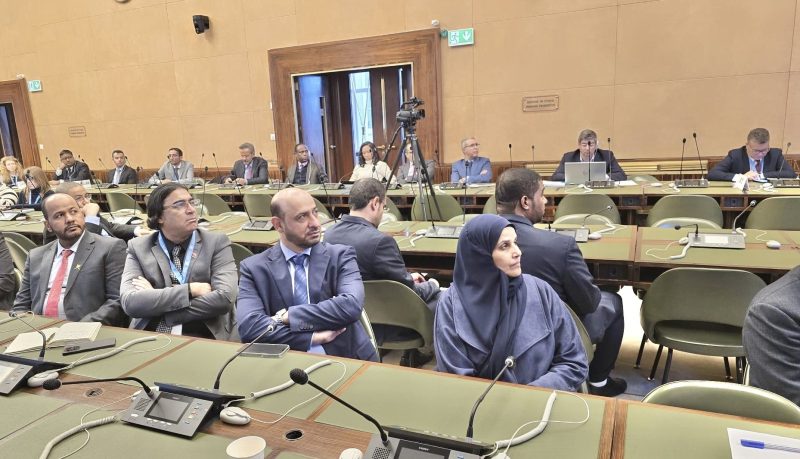
The event included the presentation of three working papers.
The first paper dealt with the theme of “Business and Human Rights” as a growing field linking economic development to human rights standards. It highlighted the Committee's methodology based on assessment, recommendations and follow-up tools, and explained its qualitative initiatives, including the preparation of guides.
The second paper focussed on promoting and protecting workers' rights through field monitoring of working conditions, housing and occupational safety, mechanisms for receiving and verifying complaints and following up on the processing of complaints with the relevant authorities.
The third paper covered parallel reports and awareness programmes, explaining the methodology for preparing shadow reports in accordance with the UN guidelines. It stressed the importance of these reports in enhancing transparency and expanding participation and international cooperation on human rights issues.
On the sidelines of the event, the Committee held an exhibition of its publications, displaying a selection of its specialised publications and awareness materials, in addition to its printed annual reports. The exhibition also showcased a number of human rights manuals and brochures that it has issued on various topics.
Dr Rashid bin Hamad Al Balushi, Chairman of the Omani Human Rights Committee, stressed that Oman, with its civilisational reach and an influential geographical location, believes that real stability cannot be complete without the rule of law and the preservation of human rights.
The Chairman reviewed the Committee's progress since its establishment by Royal Decree in 2008, and its subsequent reorganisation by Royal Decree No. (57/2022), which consolidated the framework governing its work and determined its composition and decision-making mechanisms and competencies, in a way that supports and enhances institutional independence.
In his speech, he referred to “the proximity of the institution to the people” as one of the most important indicators of the maturity of national human rights institutions. He said that the Committee has developed a system for receiving communications and complaints through multiple channels, ensuring access to various groups while preserving privacy and clarity of the path.
He explained that in recent years, the Committee has been receiving, monitoring and dealing with more than a thousand reports annually. He suggested that this reflects the volume of work undertaken, society's confidence in national mechanisms, and a growing awareness that rights are protected through specialised institutions.
The Chairman of the Committee spoke about “Human Rights Indicators” as a scientific tool that transforms values into measurable criteria and supports the construction of policies based on evidence. He also spoke about the specialised workshops held to develop a guide to human rights indicators in Oman. He added that Oman's presence in the international human rights system has been strengthened since it become an active member of 8 out of 9 international conventions on human rights.
Follow us