



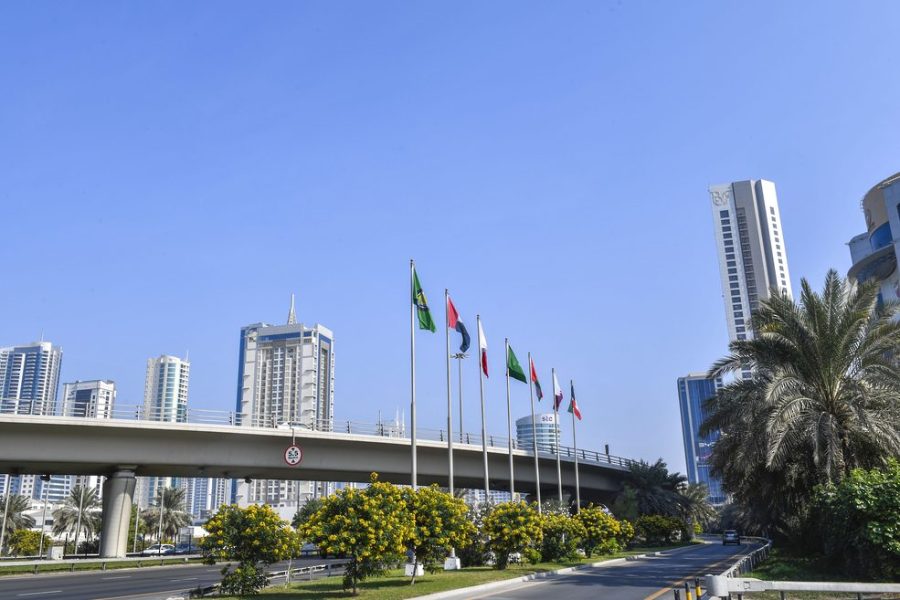
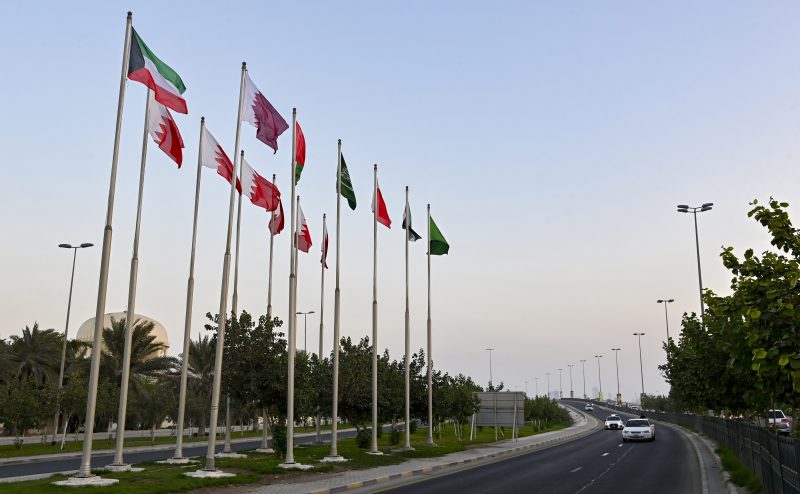
Manama Summit: advancing deeper Gulf cooperation and integration
The forty-sixth Gulf Summit, will be held in the Bahraini capital Manama, and is aligned with the aspirations of citizens of the member states to achieve greater cooperation, integration and cohesion at all levels.
His Majesty Sultan Haitham bin Tarik will lead Oman’s delegation to the summit, which will be attended by the leaders of the GCC states.
The summit is expected to discuss the course of joint Gulf cooperation in political, economic and security fields, in accordance with the guidance of the GCC leaders. It will also include an exchange of views on the latest regional and international developments and their impact on security and stability in the region, as well as the efforts made by member states to advance comprehensive peace and coordinate positions regarding regional developments.
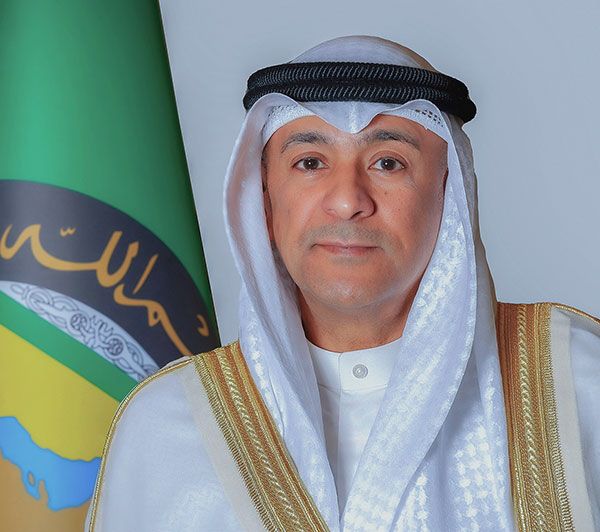
The Secretary General of the Gulf Cooperation Council, Jassim Mohammed Al Budaiwi, said that Gulf, regional and international cooperation continues to advance.
He expressed his hope that the Bahrain Summit would produce constructive decisions and recommendations that contribute to the progress of the GCC. He noted that the depth and breadth of the summit’s agenda clearly reflect the regional and international weight of the Council. They confirm that the achievements made by member states on the path of Gulf integration — a goal pursued by the GCC leaders — are moving steadily in the right direction, in line with the aspirations of Gulf peoples and their hopes for greater cohesion and prosperity.
The forty-fifth Gulf Summit, held in Kuwait in December 2024, reached agreement on expanding the use of clean energy and increasing investments by Gulf sovereign wealth funds in technology and green transition sectors. It also reaffirmed support for economic integration and for advancing joint action in energy, food security and climate.
The summit adopted unified positions on emerging issues, approved several joint economic initiatives and endorsed the executive plan for the economic visions of the GCC states, linking them to transport projects, electricity interconnection and artificial intelligence, while confirming commitment to financial stability and to developing unified policies to attract foreign investment.
The economies of the GCC states recorded balanced performance in 2024. Real GDP growth reached around 1.9 percent, driven by a 4.4 percent increase in non-oil sectors.
Sources indicate that real growth in the GCC states is gradually accelerating, reaching 2.8 percent in 2025 and 3.7 percent in 2026, climbing to 4.3 percent by 2027 as investments expand in tourism, renewable energy, manufacturing and technology.
Data from the GCC Statistical Centre shows that foreign direct investment inflows into member states reached about 523.4 billion US dollars in 2023, confirming growing international confidence in the Gulf business environment.
The data also shows that FDI inflows into the GCC accounted for around 5 percent of total global inflows in 2023. Intra-GCC investments rose from 88.2 billion US dollars in 2015 to 130.3 billion US dollars in 2023, representing 20 percent of the region’s total foreign investment stock.
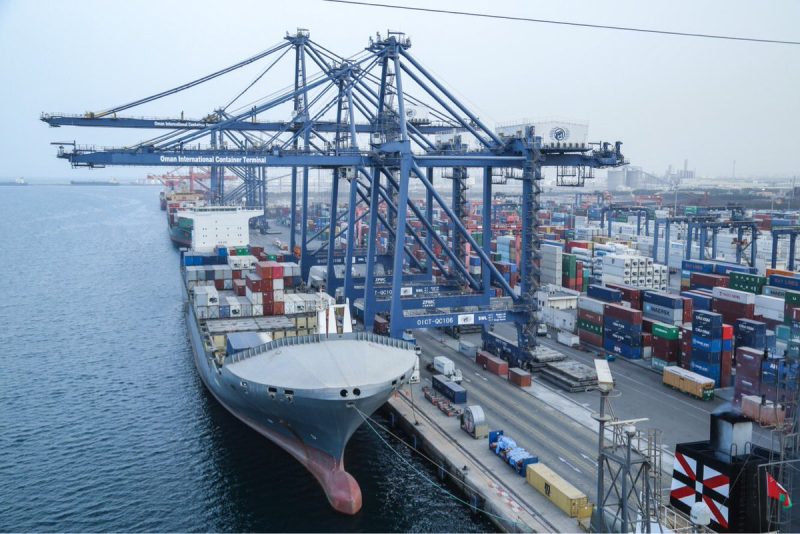
External merchandise trade in the GCC grew slightly by 1.1 percent in 2024 despite the decline in average oil prices from 82.5 US dollars per barrel in 2023 to 80.5 US dollars per barrel in 2024.
Non-oil exports recorded a notable increase, reflecting progress in diversifying the export base. Re-export activity continued to rise due to the region’s advanced logistics hubs.
Public revenues in the GCC reached about 670.2 billion US dollars in 2024, an annual increase of 2 percent, while public spending reached 659.3 billion US dollars. This reflects the commitment of Gulf governments to advance fiscal consolidation and direct spending towards development, infrastructure and social protection.
The data indicates a rise in the contribution of non-oil revenues to total public income due to the application of indirect taxes such as value added tax and excise taxes, as well as improved collection efficiency through digital transformation in public financial management.
Gulf financial markets recorded positive performance in 2024, with total market capitalisation rising to about 4.2 trillion US dollars despite global uncertainty resulting from tighter monetary policy in the United States. This performance was supported by improved corporate earnings, lower inflation and continued institutional investment flows into key sectors.
Gulf summits remain the principal platform for shaping cooperation policies and strategies among member states in security, the economy, defence and sustainable development. They reflect the spirit of solidarity and integration on which the Council was founded more than four decades ago.
In a statement to the Oman News Agency, Sheikh Ambassador Ahmed bin Hashil Al Maskari, Head of the Department of the Cooperation Council for the Arab States of the Gulf and Regional Neighbourhood, said that Oman, under the leadership of His Majesty Sultan Haitham bin Tarik, remains firmly committed to supporting the progress of the GCC and strengthening frameworks of joint action among its brotherly states. The cohesion of the GCC and the unity of its outlook on shared regional issues constitute essential foundations for safeguarding security and stability and advancing comprehensive development across member states.
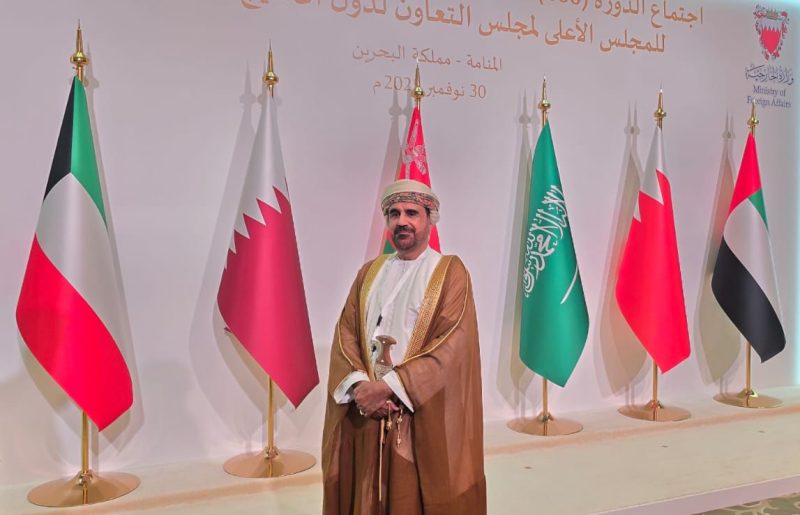
This principled Omani position has been reflected in its active and constructive participation in Gulf summits, ministerial meetings and specialised committees. It stems from Oman’s firm belief in the importance of strengthening integration across political, economic, social and development spheres, in a way that enhances the GCC’s ability to face regional challenges and secure a more prosperous future for its peoples.
He noted that Oman Vision 2040 aligns with the visions of GCC states, which place citizens’ wellbeing and quality of life at the forefront of joint action priorities. Oman gives particular attention to joint projects related to trade, services, mobility and infrastructure, viewing them as essential components of the Gulf economic integration process. These issues are expected to receive priority follow-up in forthcoming leaders’ meetings and specialised ministerial committees, as part of completing the requirements of the GCC Common Market and supporting all efforts aimed at strengthening economic and investment cooperation.
The upcoming summit is expected to focus on economic integration and the enhancement of shared development frameworks, as well as on coordinating political positions regarding regional and international developments. Oman approaches these issues from the principle of reinforcing Gulf unity and cohesion, affirming the importance of adopting dialogue, diplomacy and mediation based on positive neutrality as the primary approach to addressing regional issues and achieving security and stability. Oman also believes that sustainable economic cooperation requires broader strategic partnerships and greater diversification of income sources.
He added that Oman supports efforts aimed at strengthening economic integration among GCC states. Oman gives highest priority to the GCC electricity interconnection project, its development and expansion, alongside supporting cooperation in traditional and renewable energy and green hydrogen, in a way that enhances supply security and market stability.
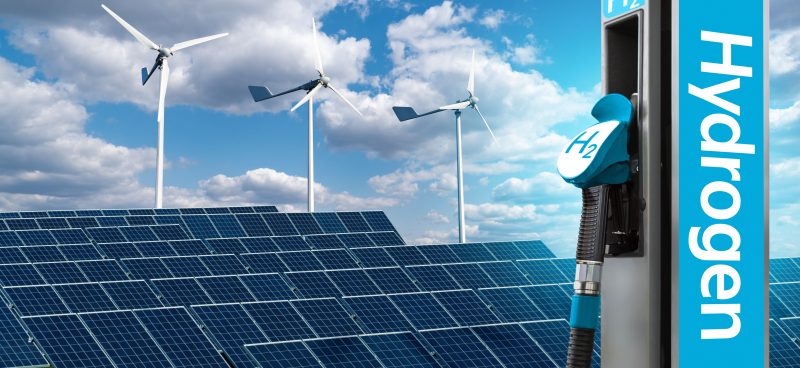
In the commercial sphere, Oman supports all efforts that increase trade volumes, expand intra-GCC investments, reduce customs duties and improve the business environment, with emphasis on the role of the private sector and non-oil industries in line with Oman Vision 2040. Oman also works within the GCC framework to build bridges with major economic blocs and influential global economies.
Oman follows regional developments with an approach that calls for de-escalation and dialogue as the primary means of addressing regional issues. It believes that its policy of moderation, positive neutrality and mediation strengthens regional security and stability. Oman considers that the challenges facing the region require close coordination among GCC states to protect their shared interests, safeguard maritime routes and uphold international law. In this context, the GCC’s positions in regional and international forums constitute an important channel that strengthens joint Arab action and contributes effectively to regional and international security and stability.
GCC states are discussing the unified Gulf tourist visa (Gulf Schengen). The visa is expected to come into effect once technical and legal requirements are completed, enabling travellers to enter GCC states with a single visa, which will boost tourism and economic activity across the region.
On the importance of unified Gulf positions amid global challenges and conflicts, he said that coordination and consultation among GCC states is ongoing. Oman sees unified Gulf positions as essential in light of global political and economic challenges, including geopolitical crises, volatility in energy markets and shifts in the international system. Coordinated positions strengthen the Council’s negotiating power, enable more aligned economic, tax and fiscal policies and protect member states’ interests in their engagement with global powers, while contributing to energy security and market stability.
He explained that the coming phase presents a real opportunity to deepen cooperation in trade, energy, investment, technology and future industries. Modernisation visions in GCC states, including Oman Vision 2040, aim to create a more attractive environment for joint investments, expand tourism, logistics and technology industries and reduce reliance on oil through income diversification.
Regarding strategic partnerships and cyber security, he said that the relevant Omani government bodies support ongoing efforts to strengthen GCC cooperation in cyber security. This cooperation focuses on aligning policies, developing capabilities, sharing information and establishing an integrated Gulf cyber framework capable of addressing growing threats.
He noted that the electricity interconnection has entered its operational phase and achieved significant economic and technical benefits. Oman seeks to develop and expand its capacity.
As for the GCC railway, the project is advancing steadily towards implementation, representing a qualitative step in Gulf integration due to its expected impact on trade flows and ease of movement.
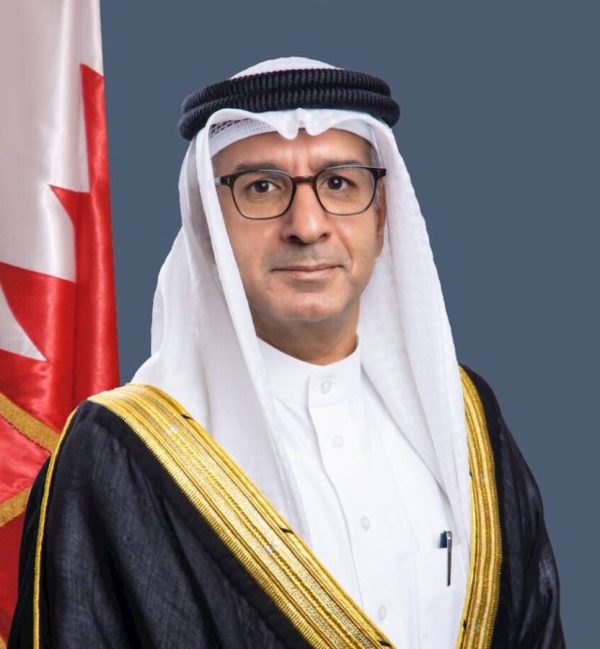
Ambassador Dr Yusuf Abdulkarim Bucheeri, Director General of Legal Affairs and Human Rights of Bahrain, said that the Kingdom of Bahrain is hosting the forty-sixth session of the Supreme Council of the GCC after nearly four decades of joint Gulf action that has achieved high levels of solidarity and accomplishment across the Council’s various sessions.
He added that this year’s Bahrain Summit is expected to meet part of the aspirations of the GCC leaders and respond to the hopes of Gulf peoples for greater progress, wellbeing and prosperity. The summit has a wide agenda that includes social, economic, cultural and investment themes, in addition to examining elements of the Council’s strategic relations with countries around the world and the promising future pathways associated with them.
He noted that the economic dimension remains a fundamental pillar in strengthening Gulf cohesion and facilitating the movement of people and goods, contributing to the region’s prosperity.
He pointed out that one of the most prominent issues on the summit’s agenda is the GCC railway project agreement, which will connect the six states. This major project has become one of the key components in fulfilling the vision of the Council’s leaders and the aspirations of its citizens. The project is now close to becoming a reality, with expectations that the agreement will be signed during the forty-sixth summit.
He mentioned that civil aviation connectivity is also a priority. Civil aviation authorities in GCC states have achieved significant progress in air connectivity, consolidating the region’s position as a vital hub for air transport. The establishment of the GCC Civil Aviation Organisation represents an important institutional step within the framework of joint Gulf action.
He explained that the summit will also look into several issues aimed at strengthening ties, enhancing communication and reinforcing solidarity among GCC states. Although some challenges or obstacles may arise, achievements on the ground show that the Gulf vision continues to advance day after day.
A preparatory meeting of the GCC foreign ministers was held in Manama, during which the State of Kuwait handed over the chairmanship of the Council’s ministerial session to the Kingdom of Bahrain.
This is an unofficial English version of an Arabic report. To view the official Arabic text, click here.
Follow us