



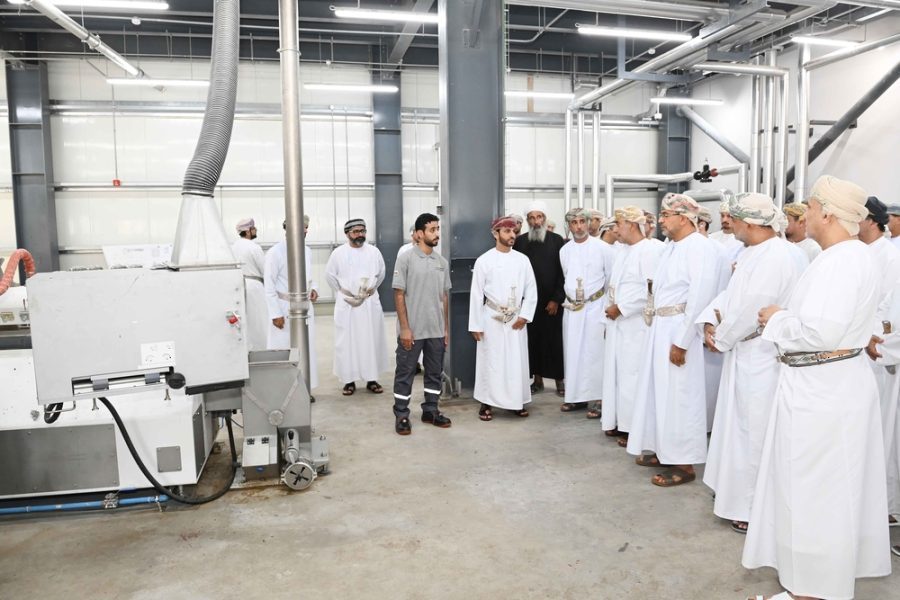
New plant for producing animal and aquaculture feed opens in Khazaen Economic City
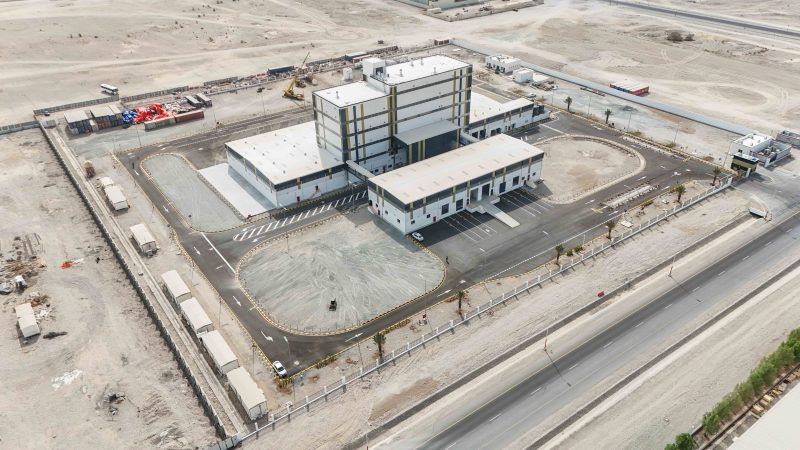
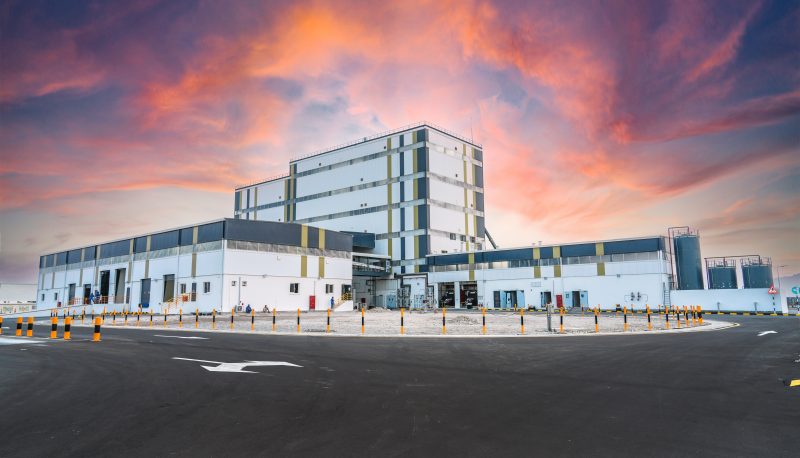
The first phase of the plant for producing animal feed and aquaculture feed, owned by the Oman Bio Products Company, one of the subsidiaries of Oman Flour Mills Company, opened at an estimated construction cost of about 36 million OMR in Khazaen Economic City in South Al Batinah Governorate.
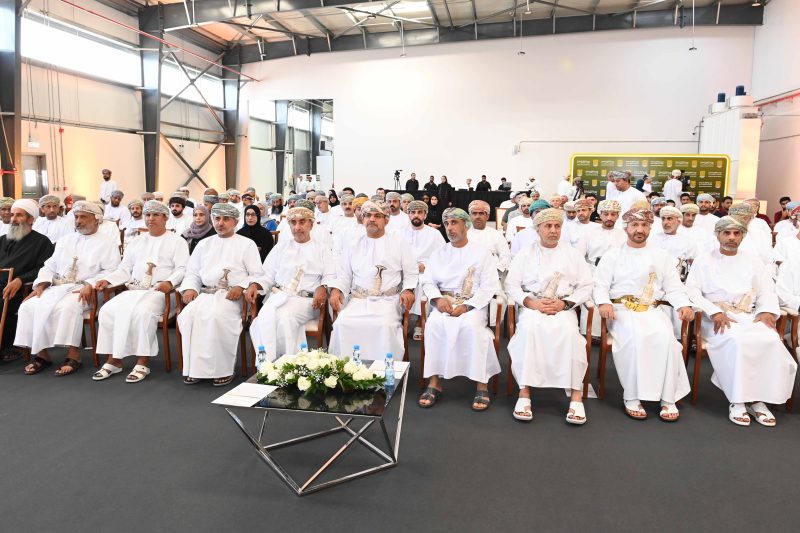
The first phase has an annual production capacity of 48 thousand tonnes of animal feed and 15 thousand tonnes of aquaculture feed. This volume will cover a large share of the local market’s needs and offer fish farming investors a stable supply model.
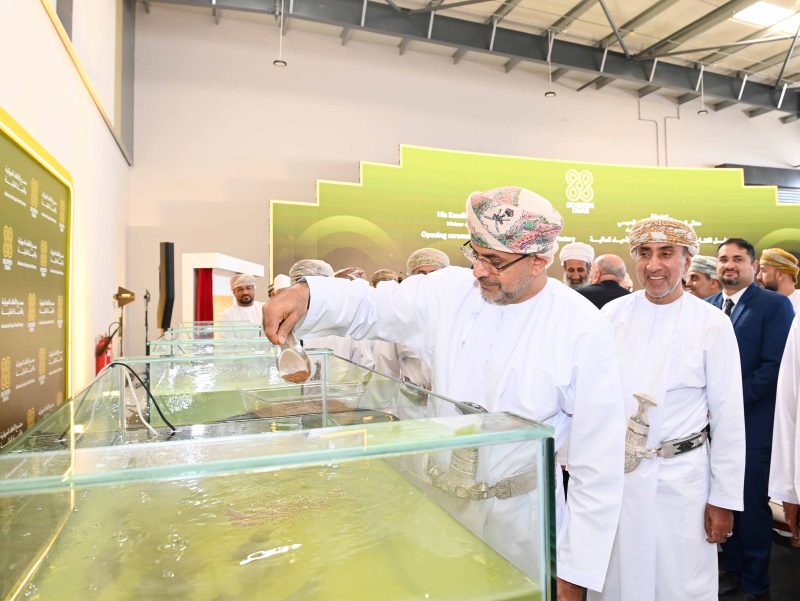
The inauguration ceremony was held under the patronage of Dr Saud bin Hamoud Al Habsi, Minister of Agriculture, Fisheries and Water Resources.
The plant provides high quality local products that help reduce reliance on imported feed and raise the level of self sufficiency. It will also support the development of value chains linked to livestock and fisheries.
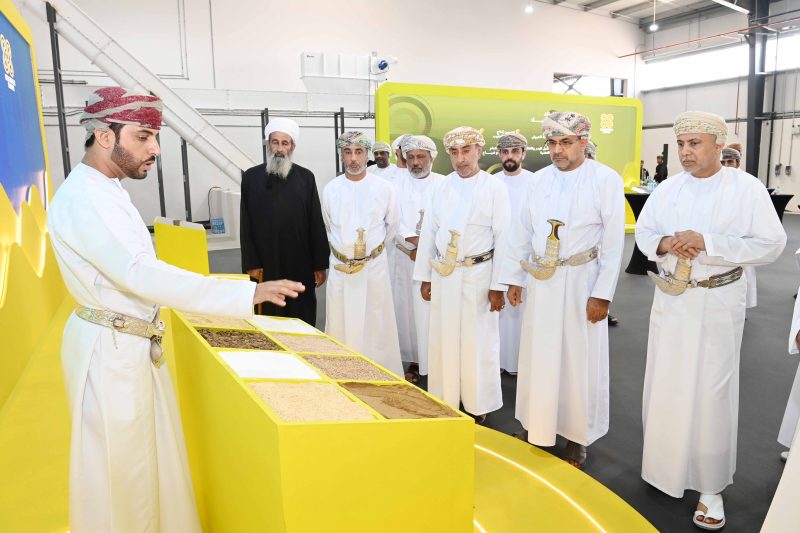
Dr Saud bin Hamoud Al Habsi visited the production stages starting from the raw materials to the final product. He also reviewed the main technologies used in recycling green agricultural residues.
Once the three phases of the project are complete between 2027 and 2030 the production capacity is expected to rise significantly. This will enable Oman to move from being a major importer of aquaculture feed to a producer capable of competing in regional markets.
The plant relies on recycling green agricultural residues and converting them into high value feed. This step supports Oman’s direction towards a bioeconomy and the use of local resources to reduce costs and limit reliance on imported production inputs. The plant will help reduce agricultural waste. It will also produce alternative feed to replace imported hay and support livestock and sheep farming while strengthening the sustainability of aquaculture.
Engineer Salim bin Sulaiman Al Thuhli, Chief Executive Officer of Khazaen Economic City, said the opening of the plant is an important addition to Khazaen Food City and offers direct support to Oman’s efforts to reinforce food security. He said Khazaen Economic City continues to provide an integrated investment environment that includes advanced infrastructure, the free zone, the dry port and logistical solutions that make it a preferred destination for industrial and food projects.
He added that this project reflects growing investor confidence in Khazaen and shows its growth as one of the fastest developing economic cities in Oman and the region. He affirmed the importance of establishing this national strategic project and supporting its coming expansion phases.
Haitham bin Shakhboot Al Saadi, Chairman of the Board of Directors of Omani Bioproducts Company, said the plant is an important addition to the food security system in Oman and continues the development path adopted by the Oman Mills Group.
He said the plant is not simply a production facility but a strategic project with unique features that reflects the national direction towards strengthening food security and adopting a circular economy. He added that it is one of the first projects of its kind in the region that aims to recycle secondary agricultural and biological products and date residues and convert them into specialised value added products.
He said the project strengthens the knowledge economy through innovative processes that use green agricultural residues and convert them into animal feed with high nutritional value enriched with dates unsuitable for human consumption. This provides a rich source of fibre and energy and an economical alternative to imported hay. It also creates a positive environmental impact by reusing these residues instead of burning or burying them.
He said the project introduces a new model for the first time in the local and regional market. It follows the latest developments in animal nutrition and feed production and offers improved options that help breeders raise performance and reduce costs. He stated that using modern technologies in manufacturing and processing ensures resource sustainability, higher production efficiency and high reliable quality in all products.
He noted that the plant is operated by a distinguished national team with Omanisation exceeding 95 percent. This reflects confidence in the abilities of Omani youth and shows the role of the industrial sector in providing quality jobs and building qualified national cadres.
He said the project is a significant step towards boosting self sufficiency in the animal and aquaculture feed sector. It will reduce reliance on imports and support farmers and livestock and fisheries breeders with high quality competitive local products. This helps stabilise the market and reinforces national food security.
He added that the first phase of the project is the beginning of a larger journey. The project will continue to expand through its coming phases to meet market needs, innovate new products and create opportunities for future projects that support the agricultural and livestock sectors. This will have a positive impact on the national economy and strengthen the competitiveness of Omani products. Khazaen Economic City was selected for this project because of its direct connection with ports, airports and border routes. This enhances the plant’s ability to reach regional markets and reduces transport costs.
Follow us